








A Conversation with Wayne Roper of SCBIO
February 9, 2017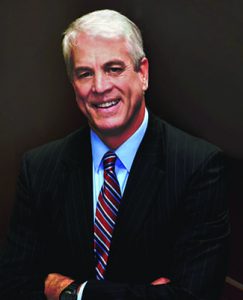
By Alan Cooper
Wayne Roper is the president of SCBIO, the South Carolina voice of the life science community.
SCBIO supports the innovators and manufacturers of advanced medicines, medical devices, diagnostics, biomaterials and ag bio in the state. About 14,000 South Carolinians are employed in the research, development, manufacture and distribution of these products and services.
MidlandsBiz:
We understand that there is new legislation at the statehouse that could lower healthcare costs while providing new hope to the chronically ill. Can you tell us more about that?
Wayne Roper:
Yes, we are very pleased at how quickly the legislation is getting traction in the statehouse.
On Wednesday, the Health and Environmental Subcommittee of the SC House Medical, Military, Public and Municipal Affairs Committee (3M) unanimously approved H.3438, the Biosimilars Substitution bill. It now moves to the full committee.
H.3438 and S.299 (its companion bill in the Senate) provides for safe, lower cost access to advanced medicines with important prescriber communication.
MidlandsBiz:
Why is this legislation important for SC?
Wayne Roper:
These bills would update current SC law by allowing pharmacists to substitute innovative biosimilar treatments for their name-brand biologic counterparts. This provision would be similar to the ability pharmacists already have to offer patients a generic drug versus a name-brand drug, with the primary goal of saving money.
MidlandsBiz:
I’ve heard of biologic drugs, but can you explain what they are to our readers? Also, how do biosimilars relate to biologics?
Wayne Roper:
Biologics are medical treatments that attack diseases at a cellular level, going after not only the symptoms, but also the source. They have been proven effective in patients with cancer, heart disease, arthritis, psoriasis, multiple sclerosis and other serious conditions.
While biologics can be life changing for critically ill patients, they also can be extremely expensive. Biosimilars, which provide the same clinical outcomes as biologics, potentially offer lower-cost alternatives to the name brands, increasing access to life-saving and life-improving treatments. Used widely in Europe, biosimilars have only entered the U.S. market in the last two years. Because they are new and not covered under current SC law, bill sponsors believe legislation is timely and necessary.
MidlandsBiz:
I understand that Representative Phyllis Henderson (R-Greenville) is the primary bill sponsor in the House. Why is this issue important to her?
Wayne Roper:
Representative Henderson has always advocated for patient access to innovative healthcare. She believes that the Biosimilars Substitution Bill will give South Carolinians access to life-changing biosimilar medications while enhancing patient safety.
MidlandsBiz:
Please talk a little about the patient safety aspect of the legislation.
Wayne Roper:
Along with empowering pharmacists, the bills include important patient safety provisions. First, physicians would retain the ability to write “dispense as written” if they do not want a biosimilar substitution made. Also, to ensure patient safety, the legislation sets up a communications system via electronic health records or another convenient means between the prescriber and pharmacist when biosimilar substitution occurs. This communications loop is designed to ensure accurate patient records, vital to monitoring outcomes.
Before they become FDA-approved to be interchangeable with a name-brand biologic, a biosimilar must be categorized as “highly similar” to another biologic drug already approved by the FDA, or what’s called a “reference product.” Biosimilars are held to the same standards as the reference product—no meaningful clinical differences—in terms of safety and effectiveness. Due to the complexity of this class of drugs, biosimilars can never be exact replicas of biologics, no matter how similar they are to the reference product. This makes the communications provision a critical component of patient safety.
MidlandsBiz:
There are similar bills being considered across the country, right?
Wayne Roper:
A total of 26 states, including North Carolina and Georgia, along with Puerto Rico already have passed biosimilars substitution bills comparable to those introduced in SC.
MidlandsBiz:
Have any biosimilars been approved by the FDA?
Wayne Roper:
Yes, currently the FDA has approved four biosimilars with dozens more in the pipeline.
MidlandsBiz:
Finally, this legislation has gotten wide support from patient and advocacy groups, correct?
Wayne Roper:
Oh, absolutely!
This list includes the American College of Rheumatology, American Academy of Dermatology, American Association of Clinical Endocrinologists, Alliance of Specialty Medicine, American Association of Neurological Surgeons, American Gastroenterological Association, Coalition of State Rheumatology Organizations, Congress of Neurological Surgeons, North American Spine Society, Society for Cardiovascular Angiography and Interventions, National Medical Association, National Hispanic Medical Association, Association of Black Cardiologists, and the Alliance for Patient Access . Also, the National Biologics Physicians Workgroup, American Cancer Society-Cancer Action Network, American Liver Foundation, Arthritis Foundation, American Autoimmune Related Diseases Association, Crohn’s & Colitis Foundation of America, Digestive Disease National Coalition, Global Colon Cancer Association, Health HIV, Hemophilia Federation of America, International Cancer Action Advocacy Network, International Myeloma Foundation, Kidney Cancer Association, Lupus and Allied Diseases Association, Global Healthy Living Foundation, National Kidney Foundation, National Organization for Rare Disorders, National Psoriasis Foundation, U.S. Pain Foundation, and Women Against Prostate Cancer.
MidlandsBiz:
That’s an extensive and impressive list! How can we find out more details about the Biosimilar Substitution Bills?
Wayne Roper:
Just go to http://www.scstatehouse.gov/billsearch.php?billnumbers=3438 to see the full text of the bills.