








DPH Confirms 11th Measles Case in Greenville County — No Cases Reported in Laurens County at This Time
October 13, 2025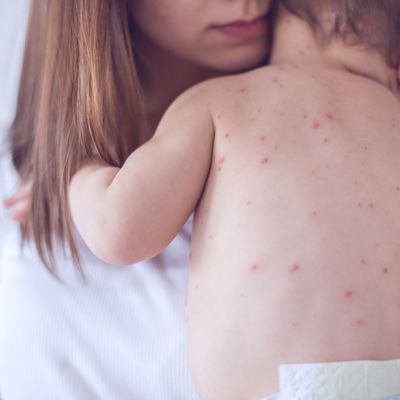
The South Carolina Department of Public Health (DPH) has confirmed the state’s 11th measles case this year, involving a child in Greenville County. This marks the eighth case connected to the current measles outbreak in the Upstate since September 25.
No measles cases have been confirmed in Laurens County at this time. However, with confirmed cases in surrounding counties—including Spartanburg and Greenville—health officials are urging residents to make sure their vaccinations are up to date.
DPH reports that it is not yet clear whether this new Greenville County case is linked to the seven previously identified in Spartanburg County. Investigators are working to determine potential exposures, and more details will be shared on the agency’s measles outbreak page as information becomes available.
Health officials stress that the new case indicates active, unrecognized community transmission of measles in the Upstate, making vaccination and vigilance essential.
Measles Symptoms and Transmission
Early symptoms of measles include fever, cough, red eyes, and runny nose. These are followed by a rash that starts on the face and spreads to the rest of the body, typically lasting five to six days.
The virus is highly contagious and can remain in the air for up to two hours after an infected person leaves an area. People with measles are contagious from four days before the rash appears through four days after its onset, which means the virus can spread before someone realizes they are sick.
Vaccination is the Best Protection
The measles vaccine is over 97% effective at preventing infection.
-
Children should receive their first dose of the measles, mumps, and rubella (MMR) vaccine at 12–15 months and a second dose at 4–6 years.
-
Children 6–12 months old should receive an early dose if traveling internationally or to outbreak areas.
-
Adults who were not vaccinated as children can still receive the vaccine. Most people born before 1957 are presumed immune due to prior infection.
Certain individuals, including pregnant women and those who are immunocompromised, should speak with their health care provider to evaluate risks before vaccination.
Stay Informed
For more information about measles and vaccination, visit the DPH website or the CDC website.