








New Medicare Scams Target Veterans, Prompting Renewed Warnings
December 17, 2025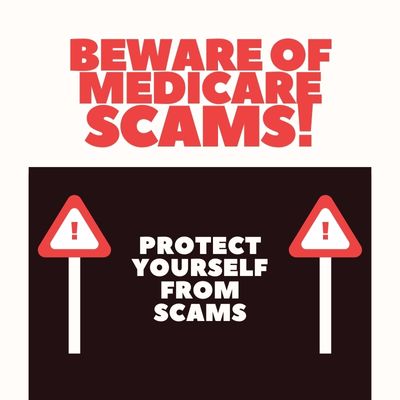
Veterans are once again being warned to stay alert as new Medicare-related scams are emerging across South Carolina and beyond. Law enforcement agencies and veterans’ advocates report an increase in fraudulent activity aimed specifically at veterans and seniors, with scammers using increasingly convincing tactics to steal personal information and money.
One of the most troubling trends involves fake Medicare billing statements for medical equipment that was never ordered or received. In several reported cases, veterans have opened mail that appeared to be official Medicare correspondence, only to find charges totaling thousands of dollars for items such as catheters, braces, or other durable medical equipment. While Medicare may initially pay the claim, the fraudulent activity can leave the beneficiary responsible for correcting the error and protecting their account from further misuse.
Scammers often obtain personal information through previous data breaches, robocalls, or phishing attempts. Once they have a Medicare number, they submit false claims to Medicare using shell companies or fake suppliers. Some schemes escalate further by sending follow-up letters or phone calls demanding payment or additional personal details.
Veterans are considered prime targets because many receive benefits from multiple government programs, including Medicare, VA health care, disability compensation, and pensions. Fraudsters exploit this overlap by impersonating Medicare or Department of Veterans Affairs officials, sometimes claiming there is a problem with benefits or an urgent need to “verify” information.
Common red flags include unsolicited calls, texts, or emails claiming to be from Medicare or the VA; unexpected bills for medical services or supplies; pressure to act quickly; and requests for payment through gift cards, wire transfers, or prepaid cards. Legitimate government agencies do not contact beneficiaries in this way and do not demand immediate payment through nontraditional methods.
Veterans are encouraged to carefully review Medicare Summary Notices and Explanation of Benefits statements to ensure all listed services were actually received. Any suspicious charges should be reported immediately to Medicare and, if applicable, the VA. Experts also recommend never sharing Medicare numbers, Social Security numbers, or banking information with unsolicited callers, even if the communication appears official.
If a veteran believes they have been targeted by a scam, reporting the incident can help prevent others from becoming victims. Reports can be made through Medicare’s fraud reporting channels, the Federal Trade Commission, or local law enforcement agencies.
As scammers continue to evolve their tactics, awareness remains the strongest defense. Veterans and their families are urged to slow down, verify all communications, and seek guidance from trusted sources before taking action on any unexpected request involving benefits or payments.