








Get Your Hummingbird Feeders Ready Now: Upstate Enters Peak Arrival Window
March 23, 2026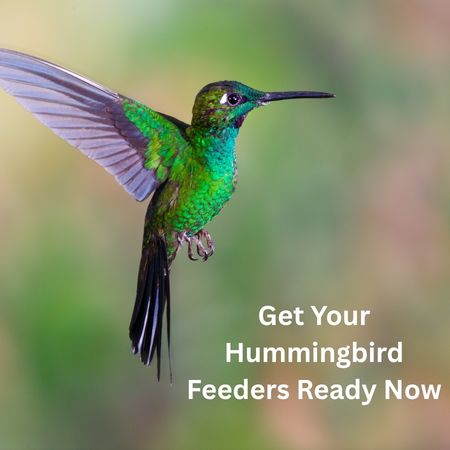
As spring settles into the Upstate, hummingbirds are already making their return — and experts say now is the time to be ready.
According to Clemson University’s Home & Garden Information Center, hummingbirds typically begin arriving in South Carolina by mid-March, with activity increasing through late March and early April. That means feeders should already be up across Laurens County and the Golden Strip.
And if you’re waiting until you see one, you may already be too late.
Why Timing Matters
Hummingbirds migrate hundreds of miles each spring, and the first birds to arrive begin searching immediately for reliable food sources.
Insights shared by Guardians of Nature note that these early arrivals often act as scouts, quickly evaluating yards for nectar. If a food source isn’t available, they move on — sometimes not returning for weeks.
Putting a feeder out early increases the chances that your yard becomes part of their regular route for the season.
Simple Recipe, Proven Results
When it comes to feeding hummingbirds, experts agree — simple is best.
Clemson Extension and the National Audubon Society recommend a basic mixture of:
-
1 part plain white sugar
-
4 parts water
Bring the mixture to a boil, let it cool, and fill your feeder.
Avoid common mistakes:
-
No red dye
-
No honey
-
No raw or organic sugar
The traditional recipe remains the safest and most effective.
Keep It Clean, Keep Them Coming Back
Proper feeder care is just as important as timing.
Experts recommend:
-
Changing nectar every 3–5 days, and every 2 days in warmer temperatures
-
Cleaning feeders with hot water only
-
Placing feeders in afternoon shade to slow fermentation
Positioning feeders near flowering plants — and adding a nearby perch — can also increase activity.
A Simple Trick to Attract More Birds
One often-overlooked strategy can make a big difference.
Male hummingbirds are highly territorial and will guard a single feeder. Placing a second feeder at least 30 feet away allows more birds to feed without conflict — often resulting in significantly more activity.
Don’t Wait
The South Carolina Department of Natural Resources notes that hummingbird migration continues through April, but early arrivals are already here.
Putting your feeder out now doesn’t just help support these tiny travelers — it increases the likelihood they’ll return again and again.
For Upstate residents, the message is simple: Get your feeder up before they pass you by.

SOCIAL LINKS






Categories
- Accounting
- Advice
- Architecture
- Banking and Finance
- Business Services
- Commercial Real Estate
- Construction
- Conversations
- Economic Development
- Education
- Employment
- Energy
- Engineering
- Entertainment
- Entrepreneurship
- Environmental
- Festivals & Special Events
- Financial Advisors
- Food
- Government
- Headlines
- Health & Wellness
- Health Care Providers
- Hi-Tech/ Information Tech
- History
- Hospitality
- Insurance
- Law
- Life
- Manufacturing
- Marketing and Communications
- Military
- Non Profit
- Op-Ed
- Outdoors
- Philanthropy
- Podcast
- Public Safety
- Residential Real Estate
- Restaurant
- Retail
- Sports
- Technology
- The Arts
- Transportation
- Travel

SOCIAL LINKS
Categories
- Accounting
- Advice
- Architecture
- Banking and Finance
- Business Services
- Commercial Real Estate
- Construction
- Conversations
- Economic Development
- Education
- Employment
- Energy
- Engineering
- Entertainment
- Entrepreneurship
- Environmental
- Festivals & Special Events
- Financial Advisors
- Food
- Government
- Headlines
- Health & Wellness
- Health Care Providers
- Hi-Tech/ Information Tech
- History
- Hospitality
- Insurance
- Law
- Life
- Manufacturing
- Marketing and Communications
- Military
- Non Profit
- Op-Ed
- Outdoors
- Philanthropy
- Podcast
- Public Safety
- Residential Real Estate
- Restaurant
- Retail
- Sports
- Technology
- The Arts
- Transportation
- Travel


Categories
- Advice
- Agriculture
- Chamber
- Echoes & Insights
- Economic Development
- Education
- Employment
- Entertainment
- Environmental
- Festivals & Special Events
- Government
- Health & Wellness
- Health Care Providers
- History
- Hospitality
- Laurens County Sports
- Law
- Local Industry
- Manufacturing
- Marketing and Communications
- Music
- Non Profit
- Outdoors
- Public Safety
- Social Scene
- The Arts
- Travel
- Veterans




Categories
- Accounting
- Advice
- Agriculture
- Architecture
- Banking and Finance
- Business Services
- Chamber
- Churches
- Commercial Real Estate
- Construction
- Conversations
- Economic Development
- Education
- Electricians
- Employment
- Energy
- Entertainment
- Entrepreneurship
- Environmental
- Festivals & Special Events
- Financial Advisors
- Government
- Headlines
- Health & Wellness
- Health Care Providers
- Hi-Tech/ Information Tech
- History
- Home Remodel/ Maintenance
- Hospitality
- Hotels
- Insurance
- Law
- Life
- Local Industry
- Manufacturing
- Marketing and Communications
- Military
- Music
- Non Profit
- Op-Ed
- Outdoors
- Philanthropy
- Podcast
- Politics
- Public Safety
- Residential Real Estate
- Restaurant
- Retail
- Social Scene
- Sports
- Telecommunications
- The Arts
- Transportation
- Travel
- Utilities
Categories
- Advice
- Agriculture
- Chamber
- Echoes & Insights
- Economic Development
- Education
- Employment
- Entertainment
- Environmental
- Festivals & Special Events
- Government
- Health & Wellness
- Health Care Providers
- History
- Hospitality
- Laurens County Sports
- Law
- Local Industry
- Manufacturing
- Marketing and Communications
- Music
- Non Profit
- Outdoors
- Public Safety
- Social Scene
- The Arts
- Travel
- Veterans
Categories
- Advice
- Agriculture
- Chamber
- Echoes & Insights
- Economic Development
- Education
- Employment
- Entertainment
- Environmental
- Festivals & Special Events
- Government
- Health & Wellness
- Health Care Providers
- History
- Hospitality
- Laurens County Sports
- Law
- Local Industry
- Manufacturing
- Marketing and Communications
- Music
- Non Profit
- Outdoors
- Public Safety
- Social Scene
- The Arts
- Travel
- Veterans