







From Timber to Trailblazing: Stony Creeks Farm Pioneers Hay Pellet Production in South Carolina
April 20, 2026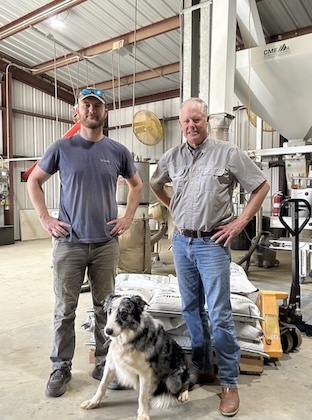
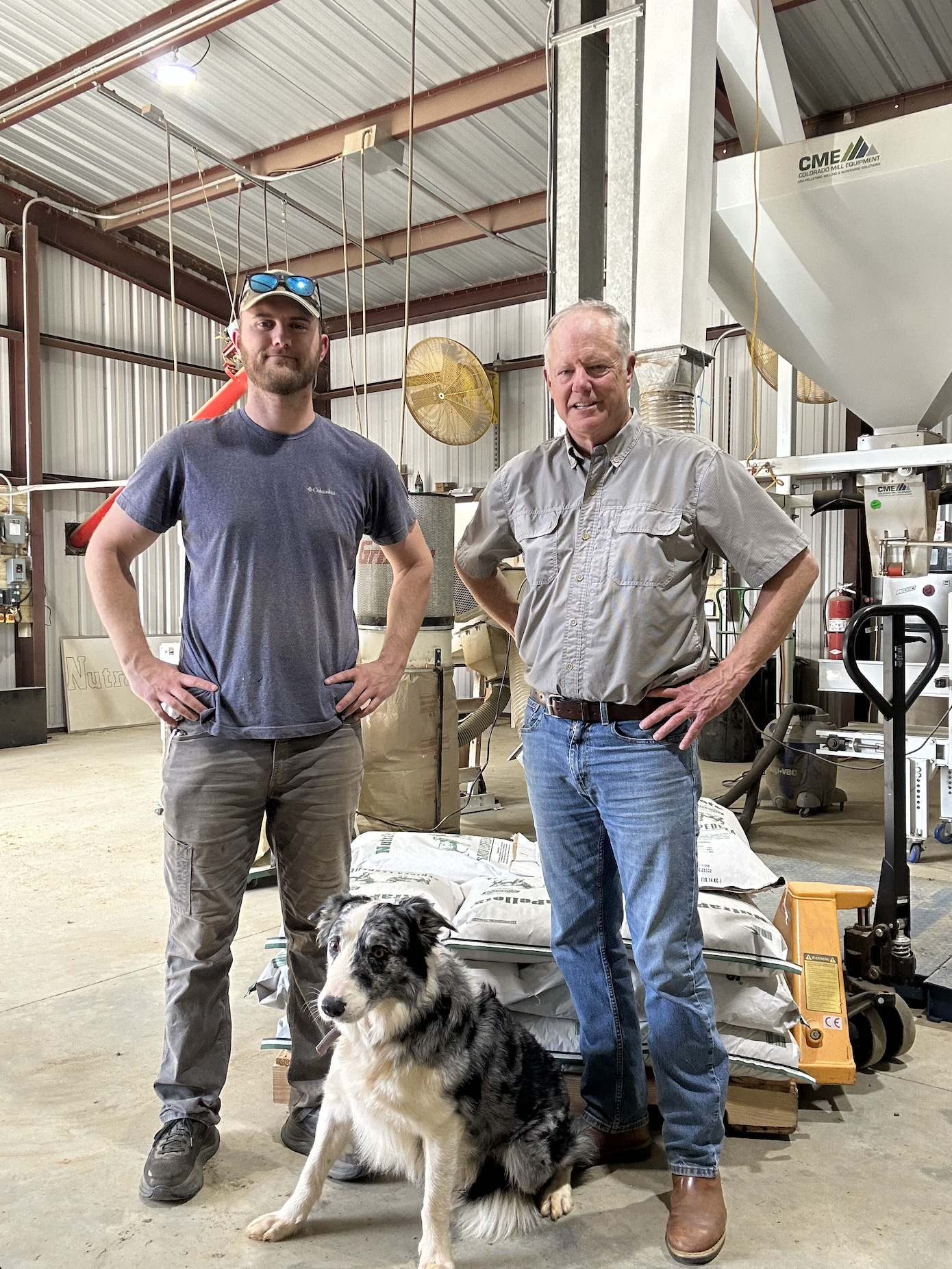
In the rural community of Cross Hill, where farmland and forestry shape both landscape and livelihood, Stony Creeks Farm stands as a powerful example of how innovation can grow from deep agricultural roots. Owned by Rick Shealy and co-managed by his son, Steven Shealy, the Laurens County operation has evolved over two decades into one of the region’s most forward-thinking farms — producing specialized hay, raising meat livestock, and now operating a cutting-edge hay pellet mill believed to be the first farm-based facility of its kind in South Carolina.
What began as a timber operation in 2005 has steadily transformed into a diversified enterprise serving customers across the Southeast. And for Rick Shealy, the farm is only part of the story. In March 2026, he filed to run for the South Carolina House of Representatives, seeking to represent District 14 in Laurens County — bringing the same values of stewardship, community, and practical problem-solving he has applied on the farm to the state legislature.
A Family Operation Built Over Time
Stony Creeks Farm’s growth has been both strategic and responsive to changing agricultural markets. Timber remains an important part of the operation, but forage production began taking center stage in 2017 with the cultivation of specialized hay varieties.
Livestock soon followed. In 2019, the farm introduced meat sheep, expanding further in 2021 with the addition of meat goats. Today, the farm manages approximately 450 Katahdin sheep known for their efficiency and suitability for commercial meat production.
The farm’s primary forage focus is Sericea lespedeza, particularly the AU Grazer variety, with plans to expand production by an additional 30 acres this year.
Rick Shealy emphasizes that growth has always been guided by a long-term commitment to stewardship.
“We’ve always believed our responsibility is to take care of the land so it can take care of the next generation,” Rick said. “Everything we do here — from timber to livestock to hay production — is about being good stewards and leaving the farm better than we found it.”
From its base in Cross Hill, Stony Creeks Farm serves customers throughout South Carolina, North Carolina, and Georgia, with growing interest from beyond the region.
From Military Service to Mechanical Innovation
Steven Shealy’s path into advanced agricultural production began long before pelletization entered the picture. After serving in the U.S. Marine Corps as an aircraft mechanic, he attended Abraham Baldwin Agricultural College using the GI Bill — experiences that now shape the farm’s technical capabilities.
The mechanical skills, discipline, and problem-solving mindset developed in the military have proven invaluable, particularly when launching a highly technical process like hay pellet production.
“Serving as an aircraft mechanic taught me how to troubleshoot complex equipment and not give up until you find a solution,” Steven said. “When we started building the pellet facility, there really wasn’t a clear blueprint to follow, so a lot of it came down to research, hands-on problem-solving, and trial and error.”
Building the pellet facility required extensive research, visits to similar operations, specialized equipment sourcing, facility design, contractor coordination, financing, and months of refining the process.
Responding to a Market Need

At the time the Shealys began exploring the idea, supply of pelleted Sericea lespedeza was extremely limited nationwide. Recognizing the gap, Steven set out to make the product more accessible — particularly to smaller farms and homesteads.
“We had customers asking for pelleted lespedeza, but there just wasn’t enough supply available,” he said. “By producing it ourselves, we’re able to get a high-quality product to more people and make it easier to transport and store.”
Producing pellets on site also allows the farm to reach customers far beyond Laurens County, including many out-of-state buyers.
Building a Specialized Facility
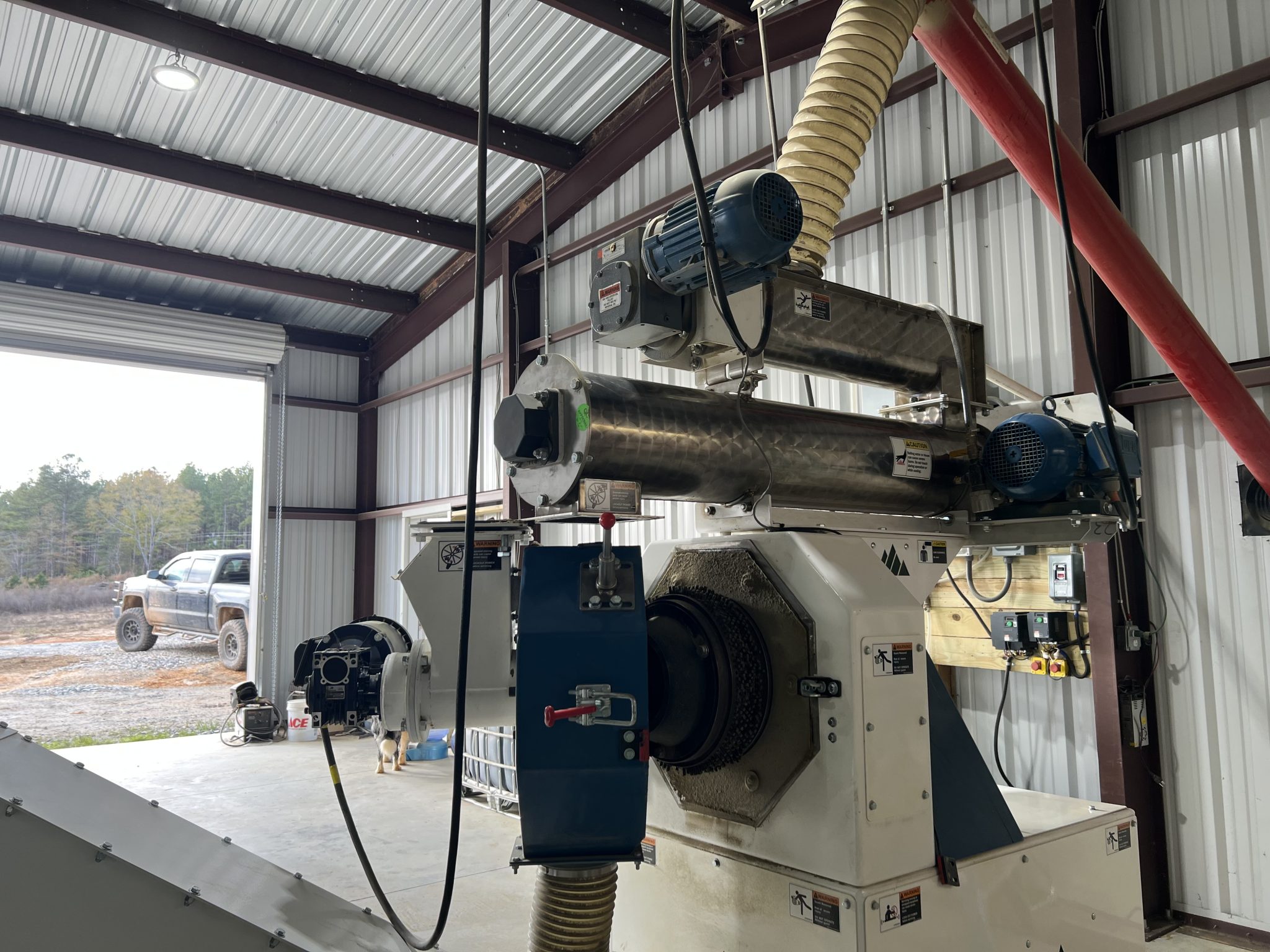
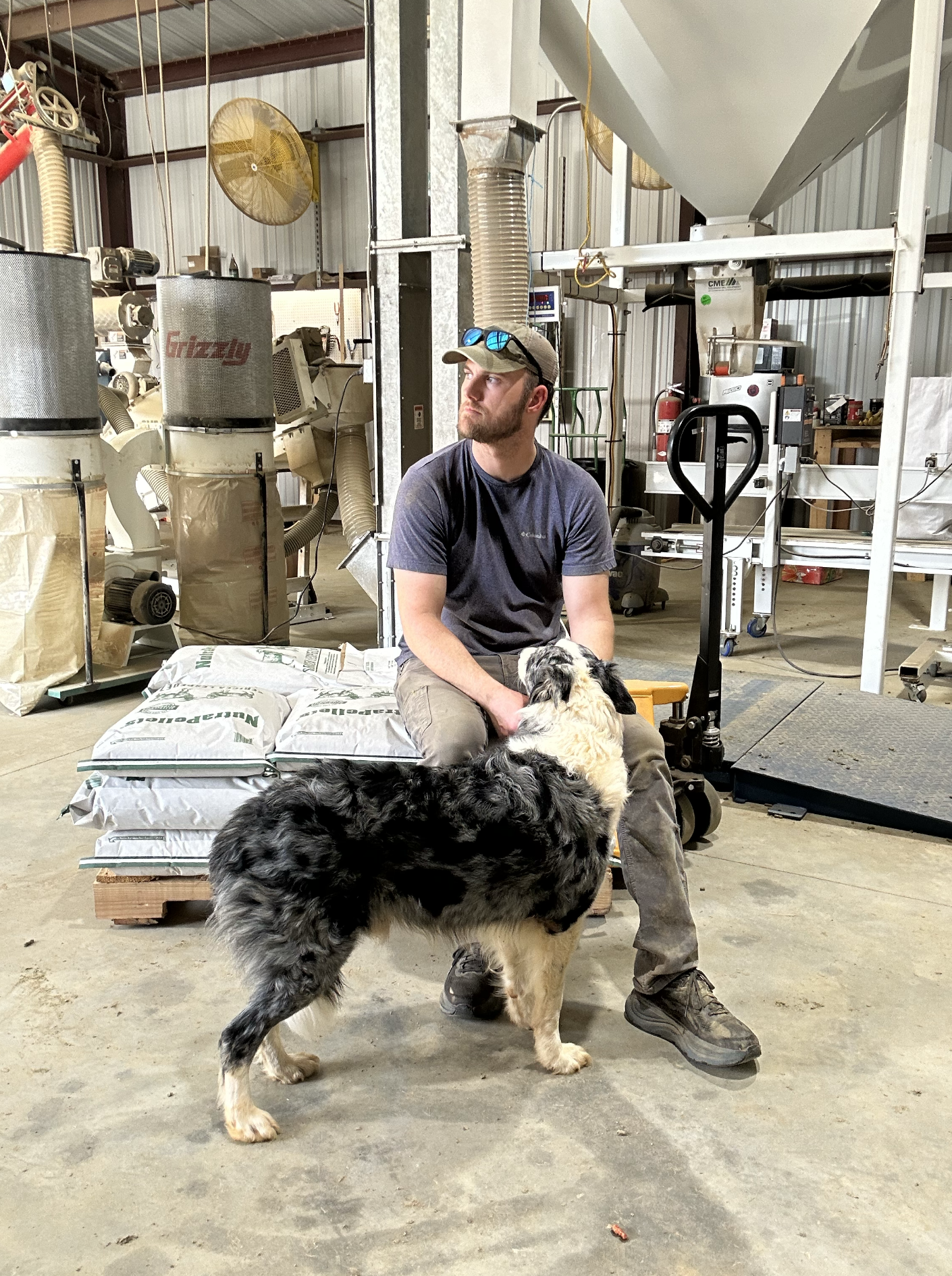
Creating the pellet mill required significant infrastructure. The operation runs inside a purpose-built building equipped with three-phase electrical power to support the heavy demands of industrial machinery.
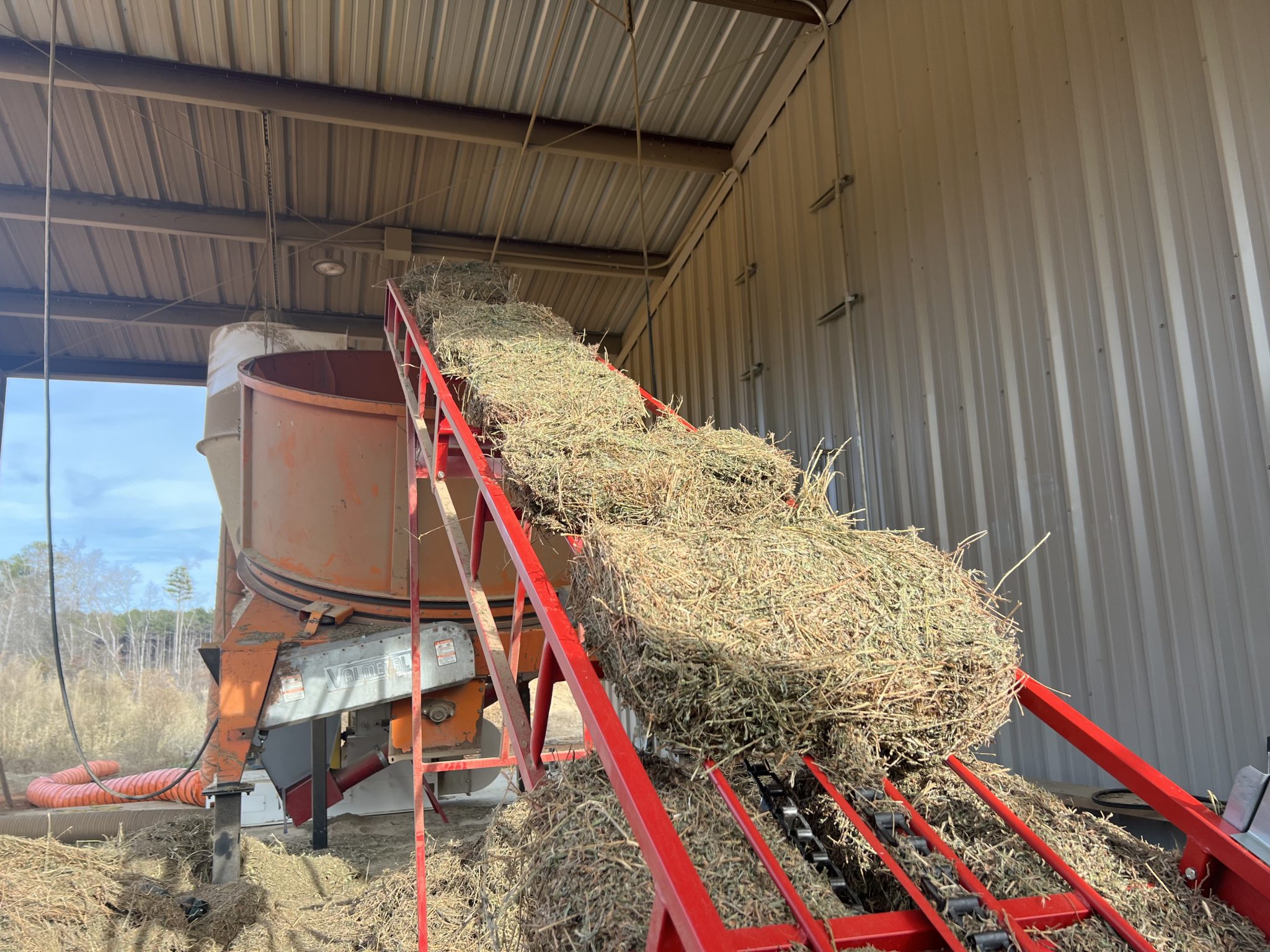
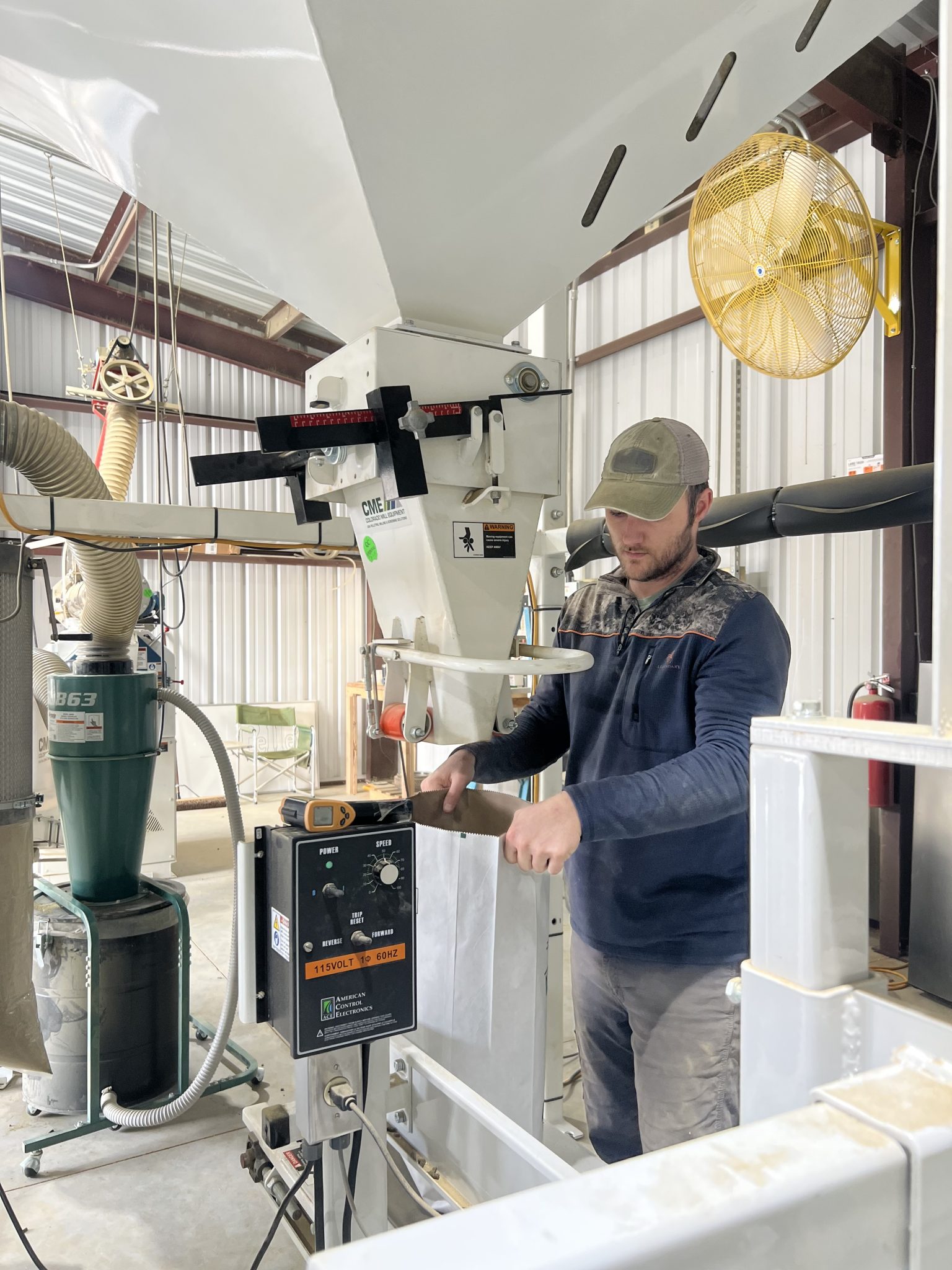
The system includes grinders, shredders, pellet compressors, cooling systems, conveyors, elevators, and bagging equipment — all specifically configured for processing lespedeza hay.
From Field to Finished Product
Production begins in the summer fields, where lespedeza hay is harvested at peak nutritional value. After cutting, the hay is dried for one to two days with careful monitoring to prevent mold and preserve nutrients. Once properly cured, it is baled into square bales and stored until processing begins.
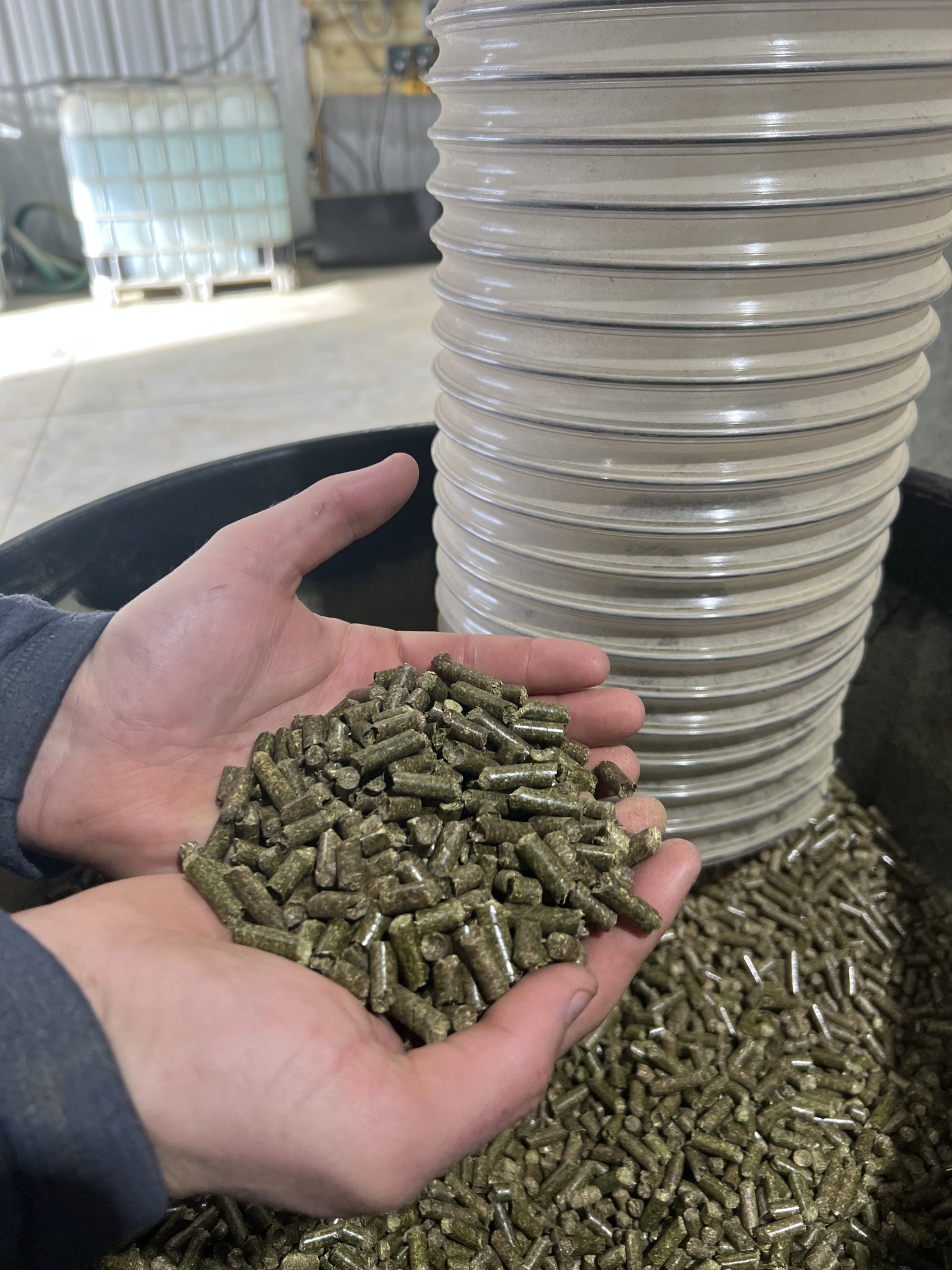
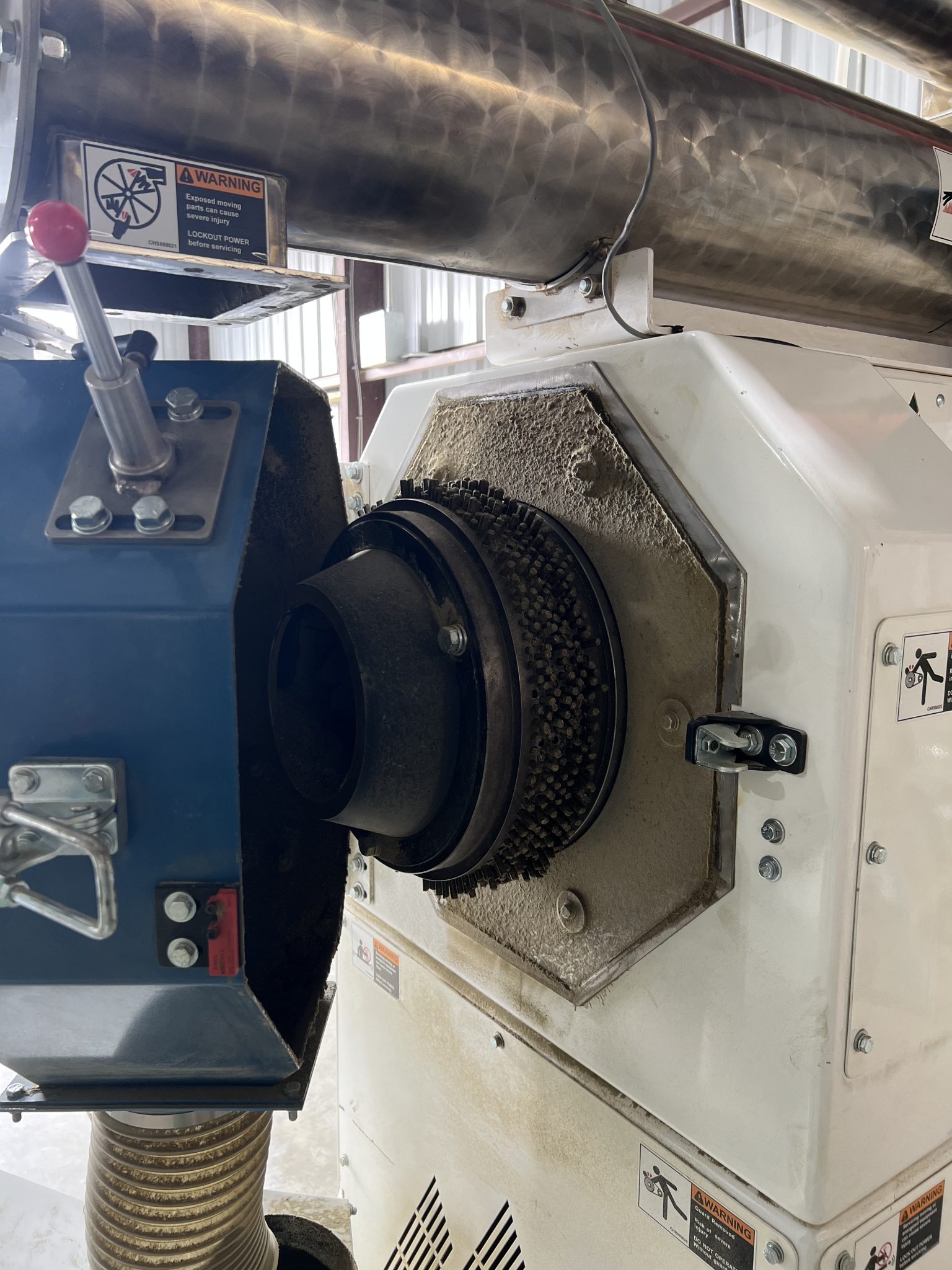
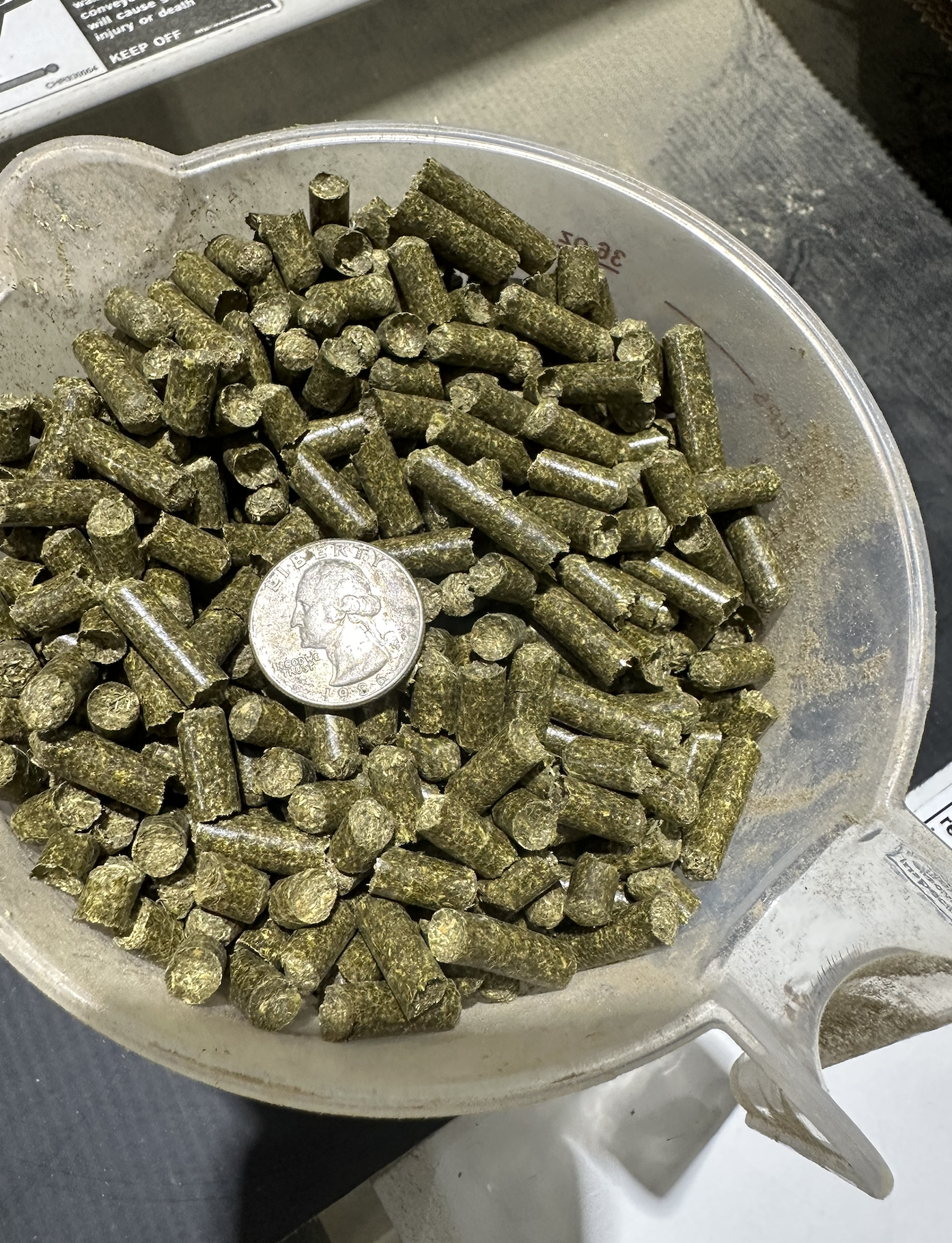
During pellet production, the bales are fed into a hammer mill that reduces the hay to a consistent fiber size. The material then enters the pellet mill, where it is compressed through a metal die under high pressure. Natural heat generated during the process — exceeding 150 degrees — binds the pellets while maintaining nutritional integrity.
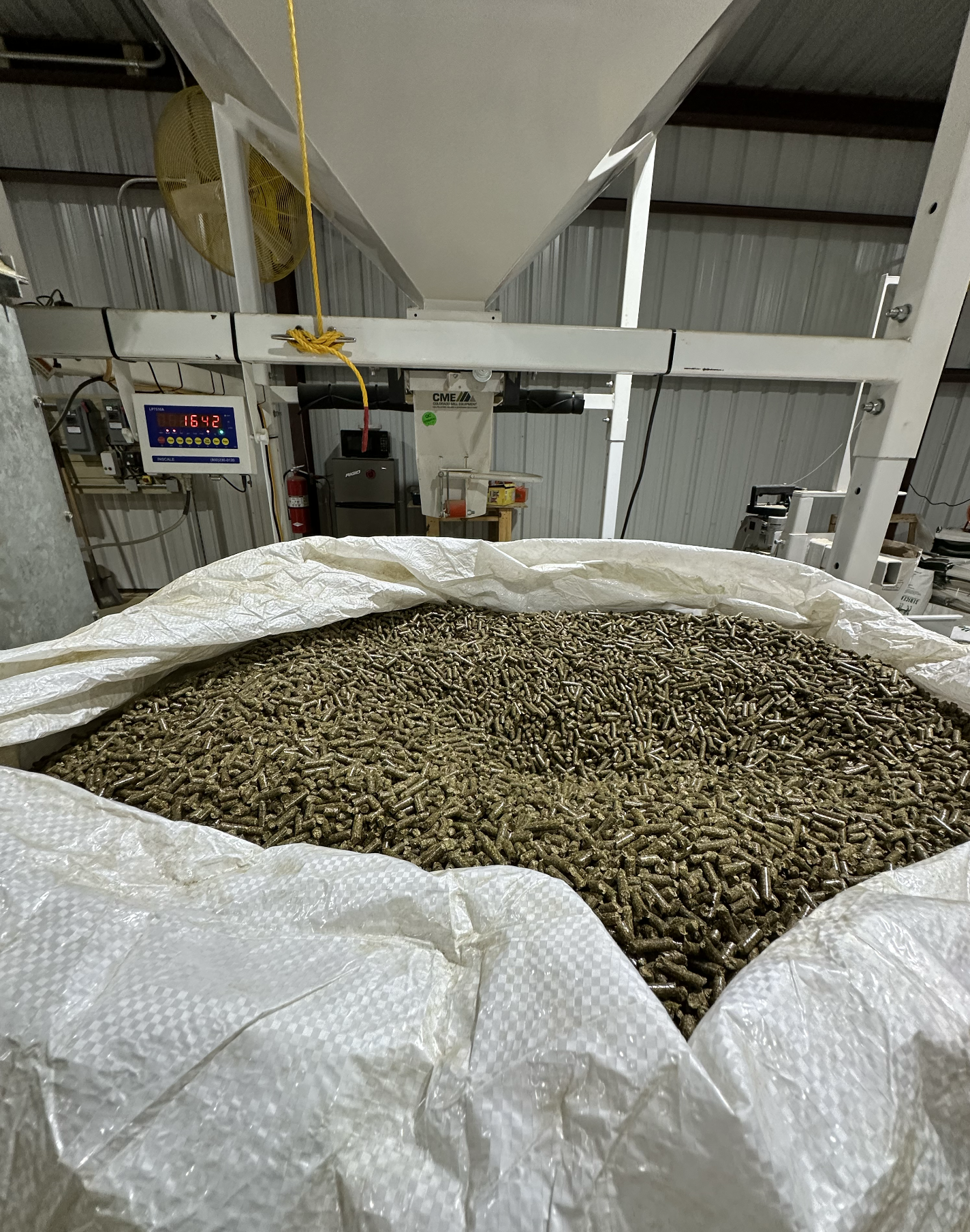
Afterward, the pellets are cooled, conveyed upward, and packaged into 40-pound bags using a calibrated gross-weight system.
From field to finished product, the entire cycle typically spans several days.
Quality control is rigorous. Moisture levels are monitored continuously, temperatures are carefully controlled, and samples are sent to Clemson University’s agricultural laboratory for full analysis.
Why Sericea Lespedeza Stands Out

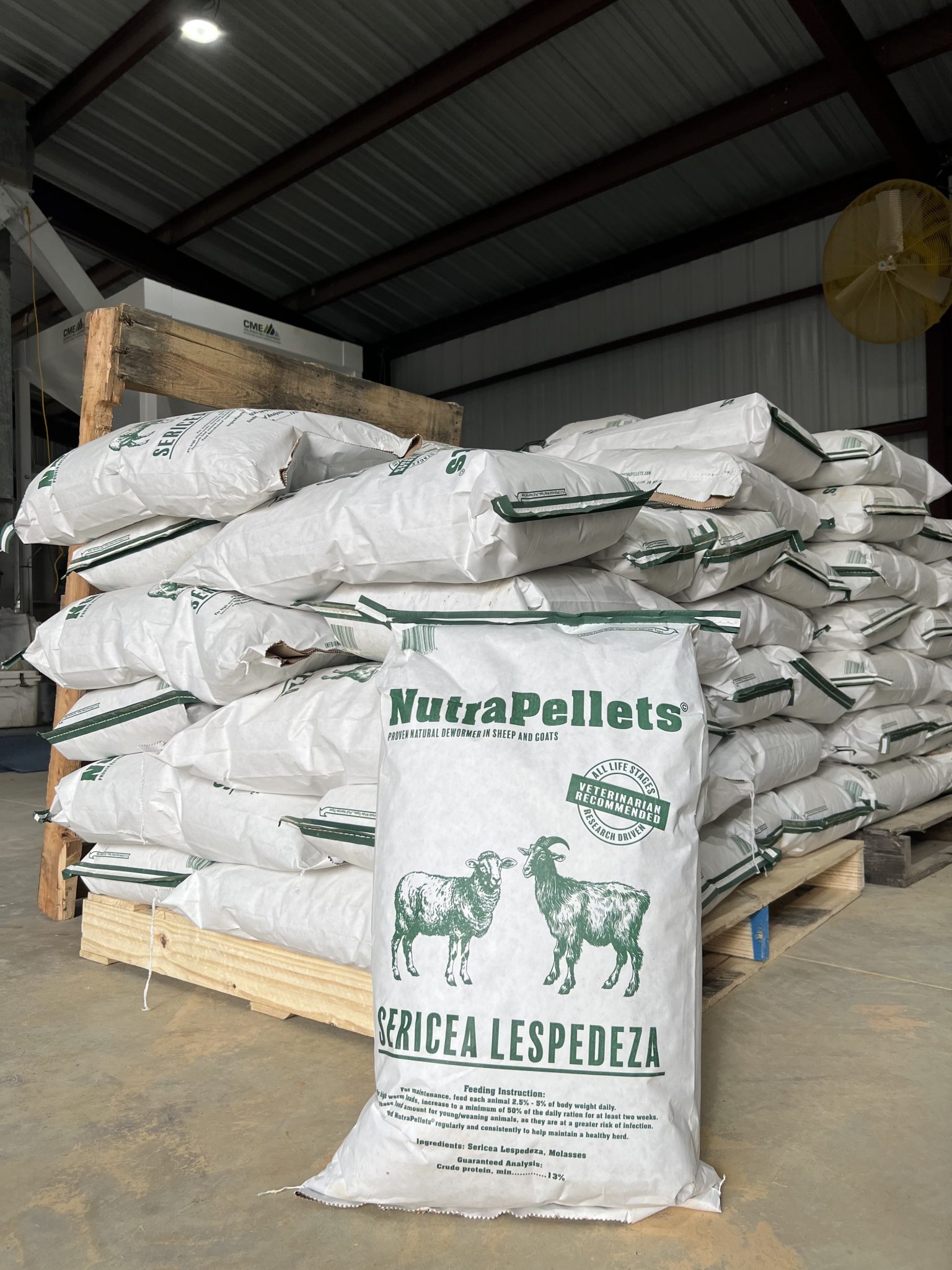
The crop thrives in hot, dry, acidic soils common across South Carolina and offers several advantages: high protein content (13–16%), good digestibility (50–55%), natural nitrogen fixation that improves soil fertility, condensed tannins that help reduce internal parasites in goats and sheep, and reduced bloating risk with improved milk quality.
Customers frequently report healthier animals, fewer parasite issues, reduced reliance on chemical dewormers, and improved body condition. Importantly, the tannins responsible for these benefits remain intact during pelletization when temperatures are carefully controlled, making pellets as effective as loose hay.
Why Pelletized Hay Matters
Pelletized forage offers practical advantages for modern livestock owners, including easier handling and feeding, reduced storage space, lower transportation costs, minimal dust, less waste, and a longer shelf life. Animals typically consume pellets completely, compared to traditional hay where a portion is often left uneaten.
Pellets can serve as a full forage source when combined with grazing, though the farm generally recommends them as a supplement. Livestock should be transitioned gradually over about a week. Primary customers include show sheep and goat owners, small farms, homesteaders, pet livestock owners, and some horse owners.
Expanding Reach Beyond the Region
Pellet production has opened new markets for Stony Creeks Farm. Because the product is compact and stable, it can be shipped efficiently to customers well beyond the local area.
Although production costs are higher due to equipment, electricity, labor, and packaging, the added value has created new revenue streams and greater stability for the operation. Plans are already underway to introduce additional pellet products, beginning with alfalfa or alfalfa blends.
A Vision for the Future — on the Farm and in Columbia
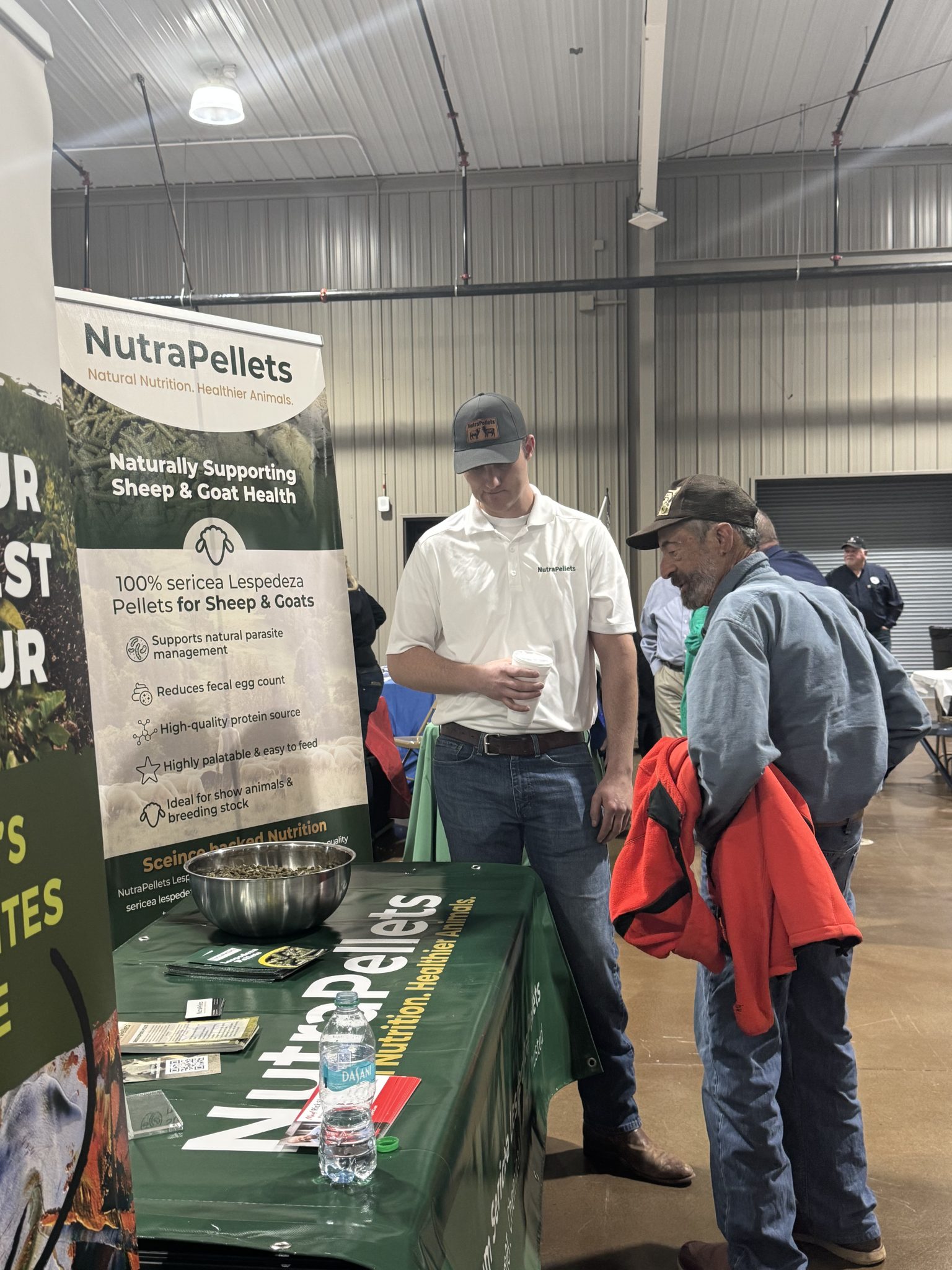
For Rick and Steven Shealy, NutraPellets represents more than a new product — it reflects a forward-looking approach to agriculture grounded in both tradition and innovation.
Beyond the farm, Rick recently filed to run for the South Carolina House of Representatives, District 14, looking to bring the same practical, community-rooted perspective he has applied at Stony Creeks Farm to the state legislature.
As livestock producers across the Southeast continue to face rising costs, parasite resistance, feed shortages, and unpredictable weather, the work being done at Stony Creeks Farm offers a model for how family operations can adapt and thrive. What started as a timber operation in Cross Hill has grown into a regional leader in specialized forage production — and for the Shealys, the next chapter is already underway.