Dirt on the Strip: Beat the July Heat and Can Your Abundant Harvest
June 22, 2026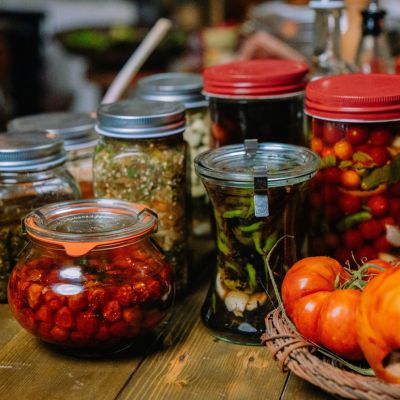
As we cruise toward July here in the Golden Strip, our gardens are hitting their peak stride. If your backyard plots and raised beds are anything like mine, you’re likely staring at a counter overflowing with cucumbers, crisp peppers, and the first heavy waves of juicy, sun-ripened tomatoes.
It is an beautiful problem to have, but if you don’t act fast, that hard work can spoil before you know it. To keep your harvest on the pantry shelves all through the winter, it’s time to break out the mason jars and get canning!
Here is your straightforward, region-specific guide to preserving the best of your July garden.
1. Cucumbers: Time for the Crunch test
If you have vines heavy with cucumbers, timing is everything. For the absolute best pickles, pick them early in the morning while they’re still cool, and get to work quickly.
-
The Golden Rule: Never use standard table salt; the anti-caking agents will turn your pickle brine cloudy. Stick to pure canning and pickling salt.
-
Keep the Crunch: Slice off the blossom end of the cucumber. The blossom contains enzymes that can make your final pickles soft and mushy.
-
Try Crisp Pickles: If you aren’t ready for a full hot-water bath session, look into refrigerator quick-pickles. They take ten minutes, last for weeks in the fridge, and keep an incredible, fresh crunch.
2. Peppers: Pack the Heat (or the Sweet)
Whether you are growing sweet bell peppers or fiery jalapeños, July is when they explode. Peppers are a low-acid food, which means if you want to can them safely in a traditional water bath, you must increase their acidity.
-
Pickled Pepper Rings: Slicing jalapeños or banana peppers and canning them in a strong vinegar brine is the easiest way to preserve them using a standard water bath canner. They are perfect for topping winter nachos and taco bowls.
-
The Safety Strip: Always wear gloves when handling hot peppers! Trust me, it only takes one accidental eye-rub to ruin an afternoon of processing.
3. Tomatoes: The Holy Grail of Preserving
There is nothing quite like a home-canned Carolina tomato in the middle of January. Because today’s hybrid tomatoes can hover right on the edge of safe acidity levels, safety comes first.
-
Acidify Every Jar: No matter what a vintage recipe tells you, always add lemon juice (2 tablespoons per quart) or citric acid directly to your jars before filling them with tomatoes. This guarantees the pH drops low enough to safely prevent spoilage in a water bath.
-
The Easy Peel: Don’t stress over peeling skins. Just cut a small “X” in the bottom of each tomato, drop them into boiling water for 30 seconds, and plunge them immediately into a bowl of ice water. The skins will slide right off in your hands.
-
Versatility Rules: If you are overwhelmed, just core, peel, and crush them into standard crushed tomatoes. You can turn them into marinara, pizza sauce, or chili bases later in the year when life slows down.
A Quick Word on Canning Safety
If you’re new to the preserving game or dusting off your equipment for the season, remember that standard water-bath canning is strictly for high-acid foods (like pickled items and properly acidified tomatoes). If you plan to preserve plain, un-pickled vegetables, you’ll need to utilize a pressure canner to keep things safe.