Celebrating Safely: Balancing Holiday Sparks with Pet Protection and Neighborly Courtesy
June 22, 2026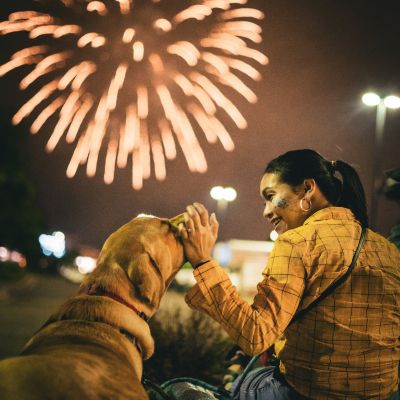
With the 4th of July rapidly approaching, neighborhood skies are preparing to fill with light and sound to celebrate our nation’s 250th birthday. But while backyard pyrotechnics are a beloved tradition for many, the sudden booms, bright flashes, and smell of sulfur can create an incredibly stressful environment for our most vulnerable neighbors—specifically local combat veterans and household pets.
Taking a few simple, proactive steps can help ensure a safe, inclusive, and joyful holiday for everyone on your block.
The Hidden Toll: Veterans, PTSD, and Fireworks
For many of the thousands of military veterans living in the Upstate, unexpected backyard explosions do not feel like a celebration. Instead, they can serve as intense trauma reminders.
According to data from the U.S. Department of Veterans Affairs, anywhere from 10% to 30% of combat veterans experience Post-Traumatic Stress Disorder (PTSD) at some point in their lives. The loud, unpredictable cracks of bottle rockets and heavy mortars can trigger a visceral “fight-or-flight” response, instantly causing heavy breathing, an elevated heart rate, panic attacks, or vivid combat flashbacks.
“It’s not the big, planned municipal shows that get to me—I can mentally prepare for those,” notes one local veteran. “It’s the random, unannounced explosions right outside the window when you’re relaxing or sleeping that send your adrenaline into overdrive and make you feel like you’re suddenly under attack.”
Shielding Your Four-Legged Friends
Pets are also deeply affected by the holiday noise. In fact, animal control shelters nationwide report that more pets run away on the 4th of July than any other day of the year. Dogs possess highly sensitive hearing, and the booming noises can leave them disoriented and desperate to escape.
Local animal experts recommend the following guidelines to protect your dogs:
-
Burn Off Energy Early: Take your dog for a long walk or play session earlier in the day before sunset. A tired dog is a naturally calmer dog.
-
Secure the Indoors: Keep your pets safely confined inside the house in a secure, interior room. Draw the blinds to block out the sudden, unsettling flashes of light.
-
Muffle the Noise: Run a television, a loud fan, or a white noise machine to help drown out the sharp, external cracks of the fireworks.
-
Utilize Calming Gear: Consider using specialized anxiety vests (like a ThunderShirt) or consult your veterinarian ahead of time regarding temporary calming medications if your pet suffers from severe noise phobias.
-
Double-Check IDs: Ensure your dog is wearing a collar with up-to-date contact details, and make sure their microchip registration is active just in case they manage to slip out an open door.
Golden Rules of Holiday Etiquette
Respecting your neighbors’ right to peace and safety doesn’t mean you have to skip the holiday fun entirely. Adhering to simple holiday etiquette makes all the difference:
-
Communicate in Advance: If you plan on lighting legal fireworks, give your immediate neighbors a quick heads-up. Giving veterans and pet owners a clear timeline (e.g., “We will be shooting off fireworks between 8:30 and 9:15 p.m.”) allows them to properly prepare their coping strategies and secure their animals.
-
Respect the Clock: Keep your private displays confined to a reasonable hour of the evening. Avoid stretching your fireworks show late into the night or across multiple days before and after the actual holiday.
-
Watch for Yard Signs: Be mindful of houses displaying signs that read “Combat Veteran Lives Here” or “Sensitive to Fireworks,” and voluntarily move your activities well away from those properties.
-
Consider Quieter Alternatives: If you live on a tightly packed neighborhood street, consider shifting the fun to sparklers and glow sticks, or gather the family to attend a large, professional public display instead.