



A Conversation with with Liz Wright, Abuse in Later Life Advocate
August 13, 2015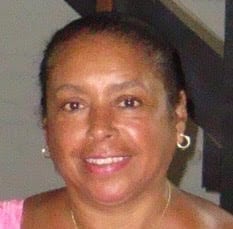

Today, we look at a difficult but important issue that threatens millions of our parents, grandparents and friends: elder abuse. It is a growing crisis that knows no geographic borders or socio-economic lines.
Elder abuse can take many forms including neglect, physical abuse, financial abuse or exploitation, or emotional and psychological abuse. It often happens at the hands of a family member or other trusted caregiver.
We had the opportunity to talk to Abuse in Later Life Advocate Liz Wright, who works with the Lexington County Recreation and Aging Commission. Liz discussed the growing problem of elder abuse in the Midlands and what all of us can do to help.
MidlandsLife (ML): Just how big is the problem of elder abuse?
Wright: As many as 1 in 10 older adults and 1 in 2 people with dementia are victims of elder abuse. This means about 5 million Americans are affected. Unfortunately, for every case that gets reported, statistics show there are 23 that go unreported.
ML: Why is the number of cases on the rise?
Wright: Our demographics are shifting, and we will soon have more seniors in the U.S. than ever before. In fact, by 2030, there will be about 72.1 million older people, comprising almost 20 percent of the total population. The number of people over 90 is growing exponentially. Seniors are living longer, but not necessarily better. Potential declines in cognitive and physical function could make them more vulnerable to victimization.
ML: What are the most common forms of elder abuse?
Wright: Financial exploitation is the most common form; it’s estimated that elders throughout the U.S. lose about $2.9 billion annually. Neglect is the second most common form.
ML: Who is at risk?
Wright: Elder abuse can happen to anyone—a loved one, a neighbor, and when we are old enough, it can even happen to us. It affects seniors across all socio-economic groups, cultures, and races. It can happen anywhere, in a person’s own home or in hospitals, nursing homes, assisted living facilities, and other institutional settings.
ML: What are some of the warning signs to look for in friends, neighbors and family members?
Wright: Common signs of physical abuse include a lack of basic hygiene, adequate food, or clean and appropriate clothing; a lack of medical aids such as glasses, a walker, hearing aids or medication; a person confined to a bed without assistance; a filthy, cluttered home or one in disrepair; or untreated pressure “bed” sores. Financial abuse warning signs can be a vulnerable elder giving uncharacteristically excessive financial reimbursement, or a caregiver having control of an elder’s money, but failing to provide for that person’s needs. Along the same lines, it’s important to watch for newly signed property transfers, newly issued powers of attorney or new wills when the elders involved are unable to comprehend the transactions or what they mean.
ML: Why does elder abuse remain such an “invisible” problem with so few cases reported to authorities?
Wright: Like other forms of interpersonal violence, elder abuse usually occurs behind closed doors. Many victims are reluctant to report abuse because they feel ashamed and embarrassed, particularly if a family member is the abuser. Or they may be afraid that the abuser will get in trouble, worry that they will be forced to live in a nursing home (which sometimes but rarely happens), or feel guilty or somehow to blame. Lastly, they may be unaware that what they are experiencing is abuse or neglect or be afraid that if they report it, the abuse will get worse.
ML: What are some of the stories of elder abuse happening right here in the Midlands and what is being done about it?
Wright: We’ve had many heartbreaking cases such as an older woman who was having money and property stolen by a niece, and an 80-year-old man who ended up homeless. Lexington County Recreation and Aging Commission is working with a coalition of groups in our area to raise awareness and put a stop to elder abuse. These groups include Sexual Trauma Services of the Midlands, the West Columbia Police Department, the S.C. Department of Social Services—Adult Protective Services, the Eleventh Circuit Solicitor’s Office, the S.C. Midlands Aging & Disability Resource Center, Lexington County Sheriff’s Department, Sistercare, S.C. Coalition Against Domestic Violence and Sexual Assault, S.C. Vulnerable Adult Guardian Ad Litem Program, and Lexington County Recreation and Aging Commission. We all share a common mission of protecting the older citizens of our community. We are working to increase awareness and the reporting of abuse by the public, professionals and victims. We’re giving older victims a safe environment to speak out and tell their stories.
ML: What can we do as a community?
Wright: For anyone who suspects mistreatment, please report it to our local adult protective services agency or law enforcement. Although a situation may have been investigated already, if you believe circumstances are getting worse, continue to speak out. Also, keep in contact with older friends, neighbors and relatives frequently. Ask questions, listen and be aware of and alert for the possibility of abuse.
ML: How can older citizens protect themselves?
Wright: Older citizens need to consider the following: Have I ever been neglected by a caregiver? Has a family member, or someone I trust, ever convinced me to give him or her more money than I wanted to or taken my property? These are signs of abuse. If you think you have been abused, or someone you know has, don’t be afraid to speak up! It’s not your fault, and you are not alone.
ML: What would you most like to tell citizens of the Midlands about the issue of elder abuse?
Wright: Please report your concerns and remember that most cases of elder abuse go undetected. Don’t assume that someone else has already reported a suspicious situation. In cases of immediate danger, call 911. Otherwise, call Adult Protective Services at 803-898-7318.
Older South Carolinians deserve our fullest honor and respect, not abuse.
Sign up here to start your free subscription to MidlandsLife!