



Back‑to‑School Safety: Protecting Our Children at the Bus Stop and on the Road
August 4, 2025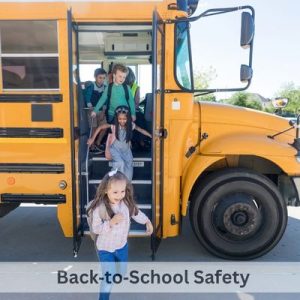
School Begins Tuesday, August 5 in Laurens County
With students in Laurens County School Districts 55 and 56 heading back to class, drivers should expect more school buses, increased morning and afternoon traffic, and children waiting for the bus. It’s essential for all community members—especially motorists—to stay alert and engage in safe behaviors.
1. South Carolina School Bus Laws: What Drivers Must Know
Under South Carolina law, drivers must stop any time a school bus is stopped or preparing to stop if its red or amber lights are flashing and its stop arm is extended.
-
On two‑lane roads, traffic in both directions must stop.
-
On multi‑lane roads (four or more lanes), only drivers traveling behind the stopped bus must stop. Traffic approaching from the opposite direction is not required to stop.
Passing a bus when its lights are flashing or stop-arm is extended is illegal even when only yellow lights are flashing.
Penalties for violations are steep: a first offense may result in a minimum fine of $500, up to $1,000, up to 30 days in jail, license points, or community service.
These rules ensure that children boarding or exiting buses can do so safely—without risk of being struck by vehicles.
2. Safety Tips for Drivers—Especially During School Commute Hours
-
Approach with caution: If you see a bus with flashing amber lights, slow down—it’s preparing to stop.
-
Stop early and stay stopped: Wait until red lights have stopped flashing and the stop arm is fully retracted before proceeding—keeping a safe distance and watching for children.
-
Avoid distractions: Use hands‑free devices only and never text while driving.
-
Follow professional drivers: Bus drivers are trained and certified under state standards. They supervise students onboard and only permit unloading once the vehicle is fully stopped and safe.
3. How Kids Can Stay Safe at the Bus Stop
Laurens County districts recommend these essential rules for students waiting for the bus, especially during the early morning rush hours and heavier traffic days:
-
Arrive at least 5 minutes early to the stop—never run to catch the bus.
-
Stand well back: Maintain a distance of at least 6 feet from the curb.
-
Board and exit safely: Wait until the bus comes to a complete stop before getting on or off, and never walk behind the bus—cross in front only when the driver signals and it’s safe.
-
Be visible to the driver: Avoid staying in the “danger zone”—the areas within about 10 feet of the bus’s front, rear, or sides where the driver cannot see you. If you drop something there, always tell your bus driver instead of retrieving it yourself.
-
Respect rules and authority: Only use your assigned stop, follow any directions from crossing guards, and do not board or leave the bus in an unapproved location.
4. What Parents & Schools Can Do
-
Reinforce rules at home: Practice correct bus‑stop routines with children and explain why staying back and waiting safely matters.
-
Communicate with district transport: Know your school’s bus schedules and pick‑up rules. Laurens County’s transportation departments offer guidance in student handbooks and online portals.
-
Partner in awareness: Schools and parents can remind drivers about bus laws through newsletters, local media, and social media—especially in the first week of school when traffic changes take effect.
5. Summary Checklist
For Drivers
✅ Stop for flashing lights/stop‑arm on two‑lane roads
✅ Stop behind the bus on multi‑lane roads
🚫 Do not pass when amber or red lights are on
🚫 Avoid passing a stopped bus under any warning lights
✅ Watch for children near bus and drive slow to resume
For Children & Parents
✅ Arrive early and stand back at least 6 ft
✅ Wait until bus stops fully before boarding
🚶♂️ Never walk behind the bus; cross only in front when signaled
🚸 Report any dropped item in the danger zone
✅ Obey assigned stop rules and crossing guard instructions
Final Note
As school resumes on August 5 in Laurens County, everyone—drivers, parents, children, and school staff—must stay vigilant. Following state laws, local district safety guidelines, and basic common‑sense behaviors ensures a safer school day for all.
Let’s work together to keep our roads—and our children—safe this school year.