County prepares for winter storm, offers safety tips for residents
January 29, 2026
A Winter Storm Watch and an Extreme Cold Watch have been issued in Georgetown County for this weekend. Based on current forecasting from the National Weather Service in Wilmington, the county is anticipated to receive about 3 inches of snow on Saturday.
Flurries could begin Saturday morning, increasing throughout the day with the heaviest accumulations occurring overnight into Sunday. Additionally, single-digit wind chills are expected Sunday.
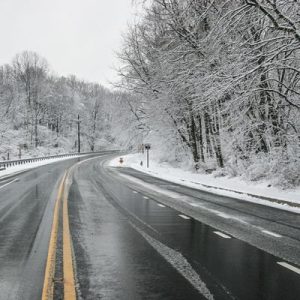
Cold and hazardous driving conditions are the primary concern with this weather system. Residents are advised to avoid travel this weekend.
Widespread electrical outages are not expected, but for residents with concerns about being able to stay warm at home, community groups have opened two warming shelters in Georgetown County – at Mt. Olive Baptist Church (1043 Duke Street) and the Low Country Veterans Group headquarters (2104 Lincoln St.), both located in the City of Georgetown.
Georgetown County Emergency Management continues to monitor the situation closely and encourages residents to remain weather aware. The County remains at Operating Condition 3 – normal operations – but may increase its readiness level tomorrow. The county’s Emergency Operations Center has not been activated, but staff are on standby and equipment is being readied.
Georgetown County Emergency Management will continue to monitor the weather situation as it develops and provide updates at gtcounty.org.
Below are additional tips to get your family ready to ride out a winter storm:
Before a Winter Storm
- Add winter supplies such as rock salt to melt ice and shovels to your disaster supply kit.
- Prepare for possible isolation in your home by having sufficient heating fuel.
- Insulate pipes with insulation or newspapers and plastic and allow faucets to drip a little during cold weather to avoid freezing.
- Learn how to shut off water valves in case a pipe bursts.
- Place a winter emergency kit in every vehicle that includes: a shovel; windshield scraper and small broom; flashlight; battery-powered radio; extra batteries; water; snack food; matches; extra hats, socks and mittens; first aid kit with pocket knife; necessary medications; blankets; tow chain or rope; road salt and sand; booster cables; emergency flares; fluorescent distress flag.
During a Winter Storm
- Stay indoors. If you must go outside, dress in layers of loose fitting, lightweight clothing. Wear a hat that covers your ears. Wear mittens and cover your mouth with a scarf to protect your lungs. Wear waterproof, insulated boots to keep your feet warm and dry and to maintain your footing in ice and snow.
- Keep dry. Change wet clothing frequently to prevent a loss of body heat. Wet clothing loses all of its insulating value and transmits heat rapidly.
- Watch for signs of frostbite such as the loss of feeling and white or pale appearance in extremities such as finger, toes, ear lobes and the tip of your nose.
- Drive only if it is absolutely necessary. If you must drive, travel in the day, don’t travel alone and keep others informed of your schedule. Decrease your speed and leave plenty of room to stop the vehicle on icy roads.
After a Winter Storm
- Listen to your local radio or television station for the latest weather and traffic reports.
- Check on your animals and ensure that their access to food and water is not blocked by ice or other obstacles. Bring them indoors, if possible.
- Be aware of possible carbon monoxide poisoning, electric shock and fire if using alternative sources for electricity, heating or cooking. Do not use heaters intended for outdoor use inside your home.
For more information, monitor our website and follow GCEMD on social media. Residents can also download the State Emergency Management Division’s Winter Weather Guide at SCEMD.org.