


Lowcountry Land Trust protects 3 generations of family land on Johns Island
November 13, 2025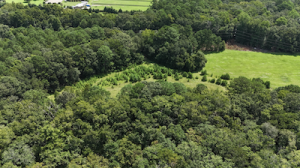
Lowcountry Land Trust, a nonprofit committed to preserving Lowcountry landscapes and waterways for current and future generations, is proud to announce the permanent protection of a 37-acre property on Johns Island that the same family has stewarded for more than 115 years. The conservation of this beloved land not only preserves vital agricultural soils, forested wetlands, and wildlife habitat but also honors the island’s deep-rooted rural character, reinforcing Charleston County’s Urban Growth Boundary and helping to manage growth and resiliency in the region.
The generational property conserves two valuable habitats that are integral to the local landscape and ecosystem—just over 13 acres of upland areas containing prime agricultural soils and forested wetlands that support biodiversity, improve water quality, and help mitigate flooding. The conservation easement was fully donated by the family, continuing their enduring legacy of care for the land. This act of generosity ensures the property will remain both undeveloped and protected forever, serving as a testament to Johns Island’s heritage and modeling the impact of private land conservation in the Lowcountry.
“Lowcountry Land Trust is honored to have been entrusted with the perpetual protection of this special family land,” said Sam Seawell, community lands director at Lowcountry Land Trust. “The owner’s foresight and conservation of the property helps maintain the rural landscape of Johns Island, an undertaking that is seemingly hard, yet possible, to achieve.”
The protection of these 37 acres reinforces the Urban Growth Boundary, which is defined by Charleston County and its residents in the Comprehensive Plan as a means of managing growth by directing development to areas with existing infrastructure and limiting it in rural areas by protecting land, maintaining area resiliency. While conservation easements protect only 8% of Johns Island, 80% of its land is located outside the urban growth boundary and remains largely undeveloped and rural, yet still not permanently protected.
The conservation of this property reflects landowners’ and Lowcountry Land Trust’s ongoing commitment to partnering to preserve the region’s most ecologically and culturally significant landscapes and waterways, while simultaneously and proactively managing growth, maintaining resiliency, and enhancing residents’ quality of life.
Stay connected by following @LowcountryLandTrust on social media and signing up for their email newsletter to receive the latest updates on conservation efforts and ways to get involved.
ABOUT LOWCOUNTRY LAND TRUST
Lowcountry Land Trust—a 501(c)(3) nonprofit organization—permanently protects land throughout coastal South Carolina that is foundational to the area’s ecosystem and residents’ quality of life. Having protected over 163,000 acres since 1986, Lowcountry Land Trust is one of the most impactful land trusts in the country. Its work includes the stewardship of privately owned land and iconic public places, such as the future Angel Oak Preserve—a 44-acre passive park and living museum in partnership with the City of Charleston. More information about Lowcountry Land Trust is available at www.lowcountrylandtrust.org.