



SC Department of Veterans’ Affairs Shares Important Information on Federal Contingency Planning
October 7, 2025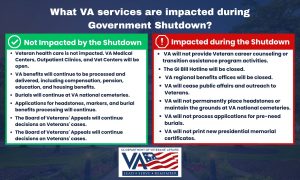
The South Carolina Department of Veterans’ Affairs (SCDVA) recently shared important information from the U.S. Department of Veterans Affairs (VA) regarding its contingency planning in the event of a federal government shutdown. This plan outlines how VA services will continue—or, in some cases, pause—should Congress fail to approve appropriations. The goal is to ensure that veterans and their families understand what to expect and where to find accurate, up-to-date information during a funding lapse. (department.va.gov)
What is the VA Contingency Plan?
The VA’s contingency plan serves as a roadmap for how the agency will function if federal funding is interrupted. It identifies which services are legally required to continue, which may be temporarily suspended, and how employees and the public will be notified throughout the process. The plan covers:
-
“Excepted” and “non-excepted” operations — distinguishing which functions are essential and must continue, and which can be paused legally
-
Furlough procedures — determining which employees must work and which may be furloughed
-
Employee guidance and resources — including unemployment assistance, creditor letters, and other support
-
Public communication strategies — outlining how updates will be provided to veterans, families, and stakeholders during a shutdown
This structured approach allows the VA to remain compliant with federal law while prioritizing the critical needs of veterans and their families.
What Continues (and Why)
The VA estimates that approximately 97 percent of its employees will continue working even during a shutdown, ensuring that core services remain available. Key functions that will continue include:
-
Medical care at VA hospitals, clinics, and Vet Centers
-
Processing of benefits such as compensation, pensions, education, and housing
-
Burials in national cemeteries and processing of headstones, markers, and burial benefits
-
Appeals and adjudication through the Board of Veterans’ Appeals
-
Call center operations, including the Veterans Crisis Line (988, press 1), MyVA411 (1-800-698-2411), and the VA Benefits Hotline (1-800-827-1000)
-
Suicide prevention, homelessness, and caregiver support programs
These functions are designated as “excepted,” meaning they must continue because they are essential to protecting life and property or are required by law.
What Pauses (and Why)
While essential services will continue, some programs and functions will be temporarily paused during a funding lapse. These include:
-
Transition programs and career counseling
-
Certain call centers, including the GI Bill hotline and National Cemetery Applicant Assistance
-
Regional benefits offices
-
Public affairs, outreach, and communications, including some social media updates and press responses
-
Grounds maintenance and placement of new permanent headstones in cemeteries
-
Processing of pre-need burial applications and production of Presidential Memorial Certificates
-
Outreach to external partners, such as state, local, tribal, and community organizations, from VA central office
These activities can legally be deferred without posing an immediate threat to health or safety.
Supporting Employees and Veterans
The VA’s contingency plan also provides practical resources for employees and stakeholders, including:
-
Furlough notices and templates for communicating with creditors and mortgage companies
-
State-by-state information on applying for unemployment benefits
-
Official notices for different categories of federal employees (SES, excepted, non-SES)
-
A Veteran Field Guide to Government Shutdowns, FAQs, and legal guidance from the Office of Management and Budget (OMB)
The VA commits to reviewing and updating its plan if a shutdown persists, maintaining transparency for veterans and the public.
What Veterans and Families Should Know
The most important takeaway for South Carolina veterans and families is that critical VA services will continue even if a shutdown occurs. Medical care, benefits processing, crisis support, and burials will remain operational. However, some services—especially outreach and non-urgent programs—may experience delays. Veterans are encouraged to stay informed by visiting the VA’s official contingency planning page and using VA hotlines for assistance.
Conclusion
By sharing this information, the South Carolina Department of Veterans’ Affairs is helping ensure that veterans and their families across the state are informed, prepared, and supported in the event of a federal funding lapse. The VA’s contingency plan reflects a clear commitment to maintaining essential services and communicating transparently, even during uncertain times.
For more details and updates, visit department.va.gov/contingency-planning.