



U.S. Unveils New Food Pyramid in Major Overhaul of Dietary Guidelines
January 11, 2026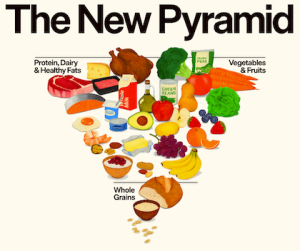
The U.S. government has announced a newly redesigned food pyramid as part of a sweeping update to national dietary guidance, signaling a significant shift in how Americans are encouraged to think about nutrition and daily eating habits.
The updated food pyramid replaces the long-standing MyPlate model and emphasizes a return to whole, minimally processed foods. Federal officials say the changes reflect evolving nutrition science and growing concerns about the health impacts of ultra-processed foods in the American diet.
Under the new model, protein-rich foods such as meat, poultry, eggs, seafood, nuts, and seeds take a more prominent role, alongside vegetables, fruits, and full-fat dairy products. Whole grains, which previously formed the foundation of federal dietary visuals, now appear in a more moderated position. Foods high in added sugars, refined carbohydrates, and heavy processing are discouraged.
Key highlights of the new food pyramid include:
-
Greater emphasis on protein-rich foods, including meat, poultry, seafood, eggs, nuts, and seeds
-
Continued focus on vegetables and fruits as foundational components of daily meals
-
Acceptance of full-fat dairy products as part of a balanced diet
-
Reduced emphasis on refined carbohydrates and added sugars
-
Explicit guidance to limit ultra-processed foods
What to Eat More / What to Eat Less

-
Fresh vegetables and fruits
-
Protein-rich foods such as meat, poultry, fish, eggs, nuts, and seeds
-
Dairy products, including whole milk, yogurt, and cheese
-
Meals made with simple, recognizable ingredients
Eat Less:
-
Ultra-processed foods and packaged snacks
-
Foods high in added sugars
-
Refined grains and highly processed carbohydrates
-
Ready-to-eat meals with long ingredient lists
For the first time, federal dietary guidance explicitly warns against ultra-processed foods, citing links to obesity, metabolic disorders, and other chronic health conditions. The new guidelines encourage Americans to focus on meals made with recognizable, whole ingredients and to reduce reliance on packaged and ready-to-eat products.
The overhaul also represents a departure from decades of low-fat dietary advice. Healthy fats from whole-food sources are no longer broadly discouraged, with officials emphasizing balance and nutrient density rather than strict macronutrient limits.
The Dietary Guidelines for Americans are updated every five years and serve as the foundation for school meal programs, nutrition assistance programs, public health messaging, and dietary counseling nationwide. As a result, changes to the guidelines can influence everything from cafeteria menus to food labeling and health care recommendations.
Reaction to the new food pyramid has been mixed. Supporters praise its focus on whole foods and its clear stance against highly processed products, while some health organizations urge moderation—particularly when it comes to saturated fats and red meat.
Federal officials say the updated guidance is intended to be flexible, encouraging Americans to make informed choices based on access, culture, and personal health needs while prioritizing nutrient-dense foods.
As the new food pyramid is rolled out nationally, its long-term impact on eating habits, public health outcomes, and food policy will continue to be closely watched.