Dirt on the Strip: The June Jump How to Feed Your Garden to Survive the Upcoming Upstate Heatwaves
May 18, 2026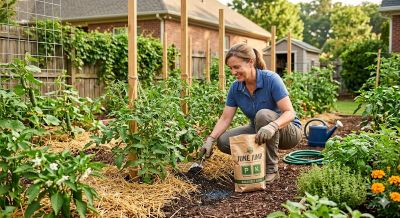
If you step outside this morning, you can already feel it—the distinct shift in the Upstate air that signals the true Carolina summer is just around the corner. Last week, we tackled vertical gardening to get your cucumbers and tomatoes off the ground. This week, we are talking about nutrition.
June is what I call the “June Jump.” It is that critical window where our plants make a massive leap in size just before the intense, triple-digit heatwaves of July and August lock down the region. How you feed your soil right now determines whether your garden thrives or fries when the real heat hits.
Here is your playbook for fueling your plot this week.
The Heatwave Strategy: Deep Roots Over Fast Greens
When temperatures skyrocket, a plant’s primary goal is survival, which means drawing water from deep underground. If you feed your garden the wrong thing right now, you are actually setting it up for failure.
-
The Danger of High-Nitrogen: It is tempting to throw down heavy nitrogen fertilizers to get massive, dark green plants. Don’t do it. High nitrogen forces rapid, tender new leaf growth. When a July heatwave hits, the plant won’t have the root system to support all that extra foliage, leading to severe wilting and sunburn.
-
The Secret is Phosphorus and Potassium: This week, look for fertilizers where the last two numbers on the bag (P and K) are higher than the first (N). Phosphorus builds deep, resilient root networks, while potassium acts like a cellular shield, helping plants regulate water retention and resist heat stress.
Menu of the Week: Choosing Your Plant Food
Not every plant wants the same breakfast. Match your feeding method to your garden setup:
-
For the Heavy Feeders (Tomatoes, Peppers, Eggplants): Side-dress these plants this week with a high-quality organic granular fertilizer or well-composted manure. Gently scratch it into the top inch of soil around the drip line of the plant (just under the outermost leaves) and water it in deeply.
-
For the Container Gardens: Nutrients leach out of pots every single time you water. Give your patio containers a balanced, diluted liquid seaweed or fish emulsion drink every two weeks starting now. It provides micro-nutrients that act like a multivitamin against summer stress.
-
The Calcium Cure: If you struggled with black, rotten bottoms on your tomatoes last year (Blossom End Rot), it’s a calcium deficiency usually caused by erratic watering. Add a handful of bone meal or a specialized calcium spray to your routine this week to strengthen cell walls before the fruit sets.
The Golden Rule: Never Feed a Thirsty Plant
This is the most important rule of June. Always water your garden thoroughly before you fertilize. Applying fertilizer to dry soil causes the roots to instantly absorb a highly concentrated burst of nutrients, which can severely burn the root tips—especially with synthetic fertilizers. Water deeply the evening before, and apply your fertilizer the next morning while the soil is damp and the air is cool.
Maintenance Task: Lock It Down with Mulch
Once you put those premium nutrients into the dirt, you have to protect them from baking under the Southern sun. Immediately after feeding your plants this week, lay down a 2-to-3-inch layer of mulch.
Whether you use clean wheat straw, shredded leaves, or wood chips, mulch keeps the soil temperature up to 10 degrees cooler, prevents water evaporation, and keeps your expensive nutrients from washing away during our sudden afternoon thunderstorms.
How is your garden holding up? Are your peppers flowering yet? Next week, we’re shifting our focus to the bugs—specifically, how to spot and stop the notorious tomato hornworm before it strips your prize plants overnight!