Facing the Storm: Identifying your risks and building a plan
July 29, 2026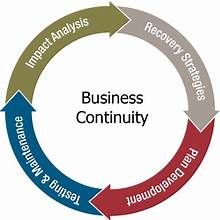
By Karen Owens
Publisher
Disasters and severe storms can disrupt a business in minutes, but the right preparation ensures your doors stay open. Following insights shared by local and state leaders at the Georgetown County Hurricane Season Business & Industry Prep Day in June, this four-part series provides small businesses and nonprofits with actionable tools to spot operational risks, draft continuity plans, and build long-term resilience.
When severe weather strikes, the survival of your small business or nonprofit often depends on what you do before the storm arrives. For organizations facing threats such as inland flooding, hurricanes, and severe storms, continuity planning is not just paperwork—it is a lifeline.
According to April Wilson, Emergency Manager for Business and Industry with the South Carolina Department of Commerce, 40 percent of small businesses won’t reopen after a major disaster. Within one year, another 25 percent will close. And within three years, 75 percent of businesses operating without a business continuity plan will shutter. SC Commerce’s Emergency Management team supports business and industry before, during, and after natural or man-made disasters, with a focus on preparedness, response, mitigation, and recovery.

Downtown flooding from Hurricane Joaquin. Photo Credit: CBS News
The average financial impact of a small-business closure is $3,000 a day, and that number increases to $23,000 a day for a medium-size business. Why does this matter? Because small businesses account for 99 percent of all companies and 50 percent of private-sector employees.
Step 1: Pinpoint Your Vulnerabilities
Begin by identifying and prioritizing the risks most likely to disrupt your operations. For storm-heavy regions, ask yourself:
- Inland Flooding: Is your facility in a low-lying area? If roads flood, can your staff work remotely, or can clients still access your services? Be sure to check your local evacuation zone using the South Carolina Emergency Management Division’s (SCEMD) Know Your Zone resource at hurricane.sc.
- Hurricanes & Strong Storms: Can your physical structure withstand high winds? What happens if you lose power or internet for days?
These are just a few considerations for businesses in the Lowcountry. Others include: How long can you afford to be offline? How will you communicate with employees, customers, and suppliers during an emergency? Do you have everyone’s updated contact information, and how often do you update that list? Do you have enough cash on hand—and do you know how much you need? What does your insurance cover?
SC Commerce also encourages businesses to ask practical readiness questions before a disaster: Do employees have a copy of the continuity plan? Has the plan been exercised? When was it last updated? The agency can connect local businesses with continuity experts and points to tools from local, state and national partners, such as the American Red Cross and the U.S. Small Business Administration.
Step 2: Formulate the Blueprint

There are several organizations with free resources that can help you develop, update and maintain your company’s business continuity plan, including the American Red Cross’s Ready Rating program, Ready.gov, SC Small Business Development Centers, and the US Small Business Administration.
As you begin developing your plan, focus on how you will maintain essential operations during a disruption. Your plan should clearly outline the following:
- Emergency Objectives: Define what must keep running, such as payroll, customer support, or critical community services, and what can temporarily pause until the disaster or crisis has subsided.
- Operational Strategies: Establish backup power options, alternative work locations, and immediate data-recovery steps to help your business resume essential operations.
- Command Structure: Clearly define teams and assign specific responsibilities so everyone knows who is in charge of what when a crisis hits. Some team members may be critical to keeping operations going, while others may not be needed until conditions begin to normalize.
A business continuity plan should be clear, accessible, and practical enough for employees to use when time is short and conditions are changing quickly. Once your plan is drafted, make sure employees know where to find it, understand their roles, and have access to the contact lists, procedures, and resources they will need during an emergency. Keep the plan current as staff, vendors, technology, facilities, or operations change.
In the next article in this four-part series, we will look at how to test your continuity plan before a real emergency—so your team can identify gaps, practice decision-making, and make improvements while there is still time to prepare.