







Statehouse Push Fails: More Homeschool-Style Students Set to Receive S.C. Voucher Scholarships
July 29, 2026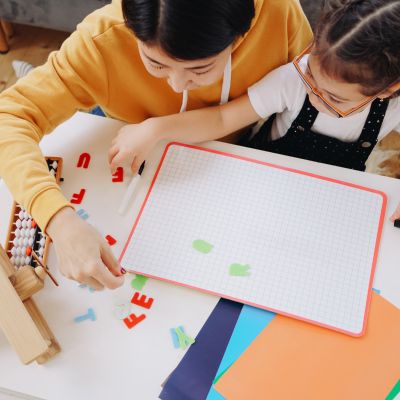
More students educated at home will receive taxpayer-funded scholarships under South Carolina’s state voucher program this upcoming school year after a legislative push by state lawmakers to restrict the practice failed.
The decision keeps intact a provision in the 2025 law that allows so-called “unbundlers”—students whose parents piece together curricula, tutoring, and educational materials à la carte rather than enrolling them full-time in a traditional private or public school—to access the state’s Education Scholarship Trust Fund (ESTF).
RISING NUMBERS AND THE “UNBUNDLING” DEBATE
For the 2026–2027 school year, 2,524 out of the 15,000 accepted applicants in the voucher program reported plans to “unbundle” their education, according to figures provided by the S.C. Department of Education. That figure marks a significant jump from last year, when roughly 1,180 unbundlers participated out of a smaller 10,000-student cap.
Each eligible student receives $7,634 for the 2026–2027 academic year. The state-backed funds can be used across an approved online marketplace for expenses such as:
-
Private school tuition and fees
-
Textbooks and curriculum materials
-
Tutoring and educational therapy services
-
Computer hardware and necessary learning technology
WHY THE LEGISLATION WAS SPARKED
While state law explicitly bars traditional homeschoolers—specifically those registered under official state homeschooling associations or district options—from participating in the voucher program, a legal distinction opened the door for unbundlers.
Because “unbundled” students satisfy state compulsory attendance requirements directly through participation in the ESTF program rather than enrolling under established homeschool associations, State Superintendent of Education Ellen Weaver clarified to lawmakers that they do not technically fall under the legal definition of traditional homeschoolers.
Several state leaders in the Senate voiced frustration over the interpretation, asserting that the legislature’s intent when drafting the voucher reform bill had been to exclude home-education arrangements entirely.
However, efforts to pass legislative fixes and budget provisos limiting scholarship funding strictly to traditional private school tuition ultimately stalled in the Statehouse before the end of the legislative session, leaving the existing guidelines in place for the incoming school year.
LOOKING AHEAD
With the program expanding its income eligibility cap to 500% of the federal poverty line this year, the ESTF reached its statutory cap of 15,000 enrolled students earlier this spring. First-quarter funds are scheduled for distribution to participating families’ ClassWallet accounts heading into the new school year.