






A Conversation with Mary Kathryne Wadford and Jeffrey Brodie, South Carolina State Museum
November 19, 2026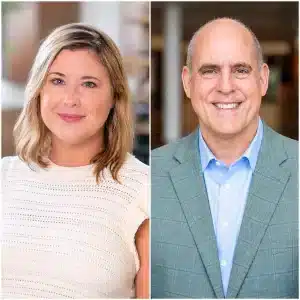
The South Carolina State Museum is preparing for an ambitious transformation that will reimagine how visitors experience the state’s history, art, natural wonders and innovation. The multiyear revitalization will introduce new exhibitions, expanded educational facilities, an innovation wing and gathering spaces designed to make the museum a more engaging destination for South Carolinians of all ages.
Supporting this vision is the museum’s Make Way for More campaign, a fundraising initiative seeking to raise $15 million over the next three to five years. The first major changes are expected in 2028, with additional improvements continuing through 2031.
MidlandsBiz sat down with Mary Kathryne Wadford, Executive Director of the South Carolina State Museum Foundation, and Jeffrey Brodie, Chief Engagement and Content Officer of the South Carolina State Museum, to discuss the museum’s history, its plans for the future and the opportunities for South Carolina’s business community to participate in its next chapter.
MidlandsBiz:
Let’s start with some background. How did the South Carolina State Museum come about, and what makes its history unique?
Mary Kathryne Wadford:
The museum opened its doors in 1988, but the vision began about a decade earlier, in the mid-to-late 1970s. Gov. Dick Riley, Joe Jennings and other leaders across the state recognized the need for a museum that would showcase everything wonderful about South Carolina — our history, art, science and natural wonders.
Joe Jennings owned the Columbia Mills building where we’re sitting today. The building itself, which dates back to the 1890s, is actually the largest artifact in our collection. It was one of the earliest fully electrified textile mills and produced textiles during World War II.
As the textile industry struggled in the 1980s, Jennings offered to sell the building to the state for $1. That extraordinary gesture helped make the museum possible.
MidlandsBiz:
The museum has evolved considerably since 1988. One of the major additions was the planetarium and observatory. How did that expansion come about?
Mary Kathryne Wadford:
About 15 years ago, the museum began asking the same question we’re asking today: What’s next?
That led to the Windows to New Worlds campaign, which focused on expanding our science and technology offerings. The campaign helped bring about the planetarium dome on the first floor and the observatory, featuring the Alvan Clark telescope, on the fourth floor.
Those were major additions that expanded what the museum could offer visitors. Now we’re looking ahead again, asking where we want the museum to be in 10, 30 or even 50 years.
A new vision for the State Museum
MidlandsBiz:
Let’s talk about that new vision. What do you want the South Carolina State Museum to become?
Jeffrey Brodie:
Our goal is to reimagine the institution in a way that serves all South Carolinians.
The role of museums continues to evolve. We want the State Museum to be a participatory, dynamic place for community engagement — somewhere people gather, exchange ideas, meet others and see authentic stories about their own lives and South Carolina.
We want visitors to experience the depth and breadth of our state’s history, culture and natural world.
To accomplish that, we need new exhibition spaces, immersive environments, updated technology and welcoming gathering areas. We also need to make the museum easier to navigate, more accessible and more comfortable.
One of our central ideas is homecoming. We want South Carolinians to walk into this museum and feel that they’re home, that their stories are represented here and that this is a place where they belong.
MidlandsBiz:
That’s an ambitious vision. How do you translate those ideas into actual changes to the museum?
Jeffrey Brodie:
We started with a comprehensive master planning process involving our staff, community stakeholders, architects, exhibition designers and visitor experience specialists. We asked what stories we want to tell, what experiences we want to create and how the physical building can support those goals.
One major change is moving toward a more interdisciplinary approach. Rather than treating history, art, science and natural history as completely separate subjects, we want to show how they’re connected. For example, an exhibition about South Carolina’s cultural history might also explore how people interacted with the natural landscape and expressed those experiences through art and traditions.
We’re also creating an entirely new Innovation Wing that will highlight the state’s technological achievements and the people and industries driving innovation.
Innovation and South Carolina’s future
MidlandsBiz:
I’ve been producing a series called The Entrepreneur Minute, and increasingly, the focus has expanded beyond entrepreneurship to the broader importance of innovation. I’m particularly interested in your new innovation wing. Why is innovation becoming such an important part of the museum?
Jeffrey Brodie:
At the heart of everything we’re doing in the innovation wing is a simple objective: We want to transform the visitor into an innovator. We want our exhibitions, experiences and programs to help people recognize their ability to identify problems and develop solutions. If we can accomplish that, we’re helping prepare people for a complex and changing world. We’re giving them the skills, tools and confidence to believe they can make a difference.
One way we’ll do that is by showcasing South Carolina as a state of innovation. We’ll highlight the industries, technologies and people who are developing new ideas and solving problems. We want visitors, particularly young people, to meet innovators, hear their stories and understand the challenges they’ve overcome.
We’ll also provide hands-on activities, invention challenges, competitions and educational programs that allow visitors to practice these skills themselves.
Ultimately, we envision the innovation wing as a public gathering place where innovators, entrepreneurs, educators, industry leaders, inventors and the community come together.
Imagine festivals where new technologies are demonstrated, visitors can try them firsthand and, importantly, meet the people who invented them.
We want people to leave thinking, “I can do that, too.”
MidlandsBiz:
Is the innovation wing primarily aimed at children and young families, or do you envision a broader audience?
Jeffrey Brodie:
It’s definitely broader.
Families, students and young people are among our largest visitor groups, and they’re extremely important to our future. But we’re also looking at changing demographics and the opportunities for intergenerational engagement. We want younger and older generations to learn from one another. Older adults bring tremendous experience, knowledge and wisdom. They understand challenges they’ve faced, problems they’ve solved and lessons they’ve learned. We want to create opportunities for them to share those experiences with younger visitors.
The innovation wing will focus on the future, but one of the best ways to prepare young people for that future is to connect them with the experiences of previous generations.
The Make Way for More campaign
MidlandsBiz:
Mary Kathryne, let’s talk about the foundation’s role. How are you supporting this vision?
Mary Kathryne Wadford:
The foundation is the philanthropic arm of the State Museum. Our work includes fundraising, donor engagement, membership relations and special events. We’re a small team of three, but we’re very focused on supporting the museum’s future.
We’ve recently introduced our Make Way for More campaign, which has an ambitious goal of raising $15 million over the next three to five years. But this campaign is about more than fundraising. It’s also about building awareness, strengthening relationships and engaging South Carolinians in the museum’s next chapter.
Many people who grew up in Columbia remember visiting the State Museum on a school field trip. Now those same people are adults bringing their own children to the museum. This is our opportunity to reconnect with them, engage them in a different way and invite their entire families, including grandparents, to experience what’s coming.
We’re entering what we call the era of more at the State Museum.
MidlandsBiz:
Can you give us a sense of the scope of this transformation? How much of the museum will actually change?
Jeffrey Brodie:
When people visit the museum today, I encourage them to take a good look around because our intention is to change virtually everything. That includes how visitors enter the building, how they find their way around and how they experience the exhibitions.
We’re envisioning large atriums with monumental artifact displays that become gathering places and help visitors navigate the museum. We’re also reimagining the exhibitions themselves. Over the next several years, we could introduce as many as 20 to 25 new exhibitions. We’ll create new educational spaces, community gathering areas and opportunities to use the planetarium and observatory to expand our programming.
But I also want to reassure people that we recognize how much they love the museum today. There are exhibits and artifacts that visitors have enjoyed for years. We’re carefully considering what should be preserved, reused and incorporated into the new museum.
MidlandsBiz:
It sounds like you’re also changing the way museums communicate with visitors.
Jeffrey Brodie:
Absolutely.
Traditionally, museums focused on displaying collections and presenting information developed through research and scholarship. That remains important, but museums have evolved. Today, we want visitors to be active participants in their experiences. That means more hands-on activities, more opportunities for discussion and more exhibitions that encourage people to think about ideas from different perspectives. We want visitors to connect what they’re learning with their own lives.
Someone might learn about an aspect of South Carolina’s artistic or cultural history and then recognize its influence in their own community.
The question we’re asking is: What do we want people to think about when they leave the museum, and how can those experiences continue to influence them?
Engaging South Carolina’s business community
MidlandsBiz:
You’re also taking this campaign across South Carolina. How are you reaching businesses, entrepreneurs and community leaders?
Mary Kathryne Wadford:
We’re hitting the road for more!
We’re visiting 12 communities and regions across South Carolina over several months to introduce the campaign, share our plans and hear from people across the state. We’re meeting with individuals, longtime supporters, businesses, entrepreneurs, inventors and manufacturers. We want to learn about their communities, their experiences and what they envision for the museum’s future.
We’ve already visited Aiken, Myrtle Beach, Camden and the Rock Hill-Fort Mill area, and we have additional meetings planned throughout the state.
This really is a statewide initiative, and we want South Carolinians everywhere to feel that they have a voice in shaping it.
Education, workforce development and innovation
MidlandsBiz:
One of the most interesting connections for our business audience is the relationship between innovation, education and workforce development. How can the museum contribute to preparing South Carolina’s future workforce?
Jeffrey Brodie:
We see the innovation wing as an opportunity to develop meaningful partnerships with educators, industry leaders, state government and organizations involved in workforce development.
Together, we can identify the skills and knowledge that South Carolinians will need to succeed in the future.
We’re particularly interested in what we call invention education. Invention education helps young people learn how inventors think. It teaches them to identify problems, develop solutions and apply those skills in different situations.
The museum was selected as one of four sites nationally to host an Invention Education Regional Summit. The summit brings together industry leaders, educators, government officials, entrepreneurs and community organizations to explore how we can strengthen South Carolina’s invention education ecosystem.
We want to understand what’s already working, where the gaps exist and how different organizations can collaborate more effectively. The goal isn’t simply to prepare students for one particular industry or career. We want them to develop transferable skills such as communication, collaboration, resilience, adaptability and creative problem-solving.
Technology and industries will continue to change. If young people have those fundamental skills, they’ll be better prepared to respond to new challenges throughout their careers.
That’s the larger opportunity. We’re helping prepare people not just for today’s workforce, but for whatever the future brings.
MidlandsBiz:
Mary Kathryne, what is the timeline? What changes can South Carolinians expect to see over the next several years?
Mary Kathryne Wadford:
We’re targeting 2028 for the opening of several major new spaces.
That includes the new fourth-floor innovation wing and a large event space in the museum’s west wing overlooking the Gervais Street Bridge. It’s one of the best views in Columbia, and we believe the new venue will be among the largest event spaces in the Midlands.
Visitors can also expect expanded educational facilities for summer camps, school field trips, group visits and teacher professional development.
Our art gallery will move from the first floor to a larger space on the second floor.
We’re also planning a new first-floor cafe with indoor and outdoor seating.
Jeffrey Brodie:
We’ll also have new conference and meeting spaces, along with an exhibition developed in collaboration with the South Carolina Athletic Hall of Fame.
That exhibition will celebrate South Carolina’s sports history and recognize Hall of Fame inductees.
And that’s just the first phase.
Mary Kathryne Wadford:
Beginning in 2028, visitors will start seeing these changes, with the larger revitalization continuing through 2031.
There’s much more to come.
MidlandsBiz:
Jeffrey, of everything we’ve discussed, what excites you most about the museum’s future?
Jeffrey Brodie:
More than any individual exhibition or physical improvement, I’m excited about the opportunity to fundamentally change the role the museum plays in South Carolina. I want this to be a place where South Carolinians see themselves and feel proud of their state. When people have friends or family visiting from elsewhere, I want them to say, “If you really want to understand South Carolina, you need to visit the State Museum.”
I want visitors to feel they’re experiencing an authentic representation of our state.
And if we can create a place where people regularly gather, connect with their communities and engage with one another, we’ll have accomplished something very meaningful.
MidlandsBiz:
I love that idea. As someone who moved to South Carolina from elsewhere, I take pride in showing visiting family and friends what makes this state special. Mary Kathryne, what excites you most?
Mary Kathryne Wadford:
As a South Carolinian, I’m excited about the opportunity to tell our state’s stories in new ways.
Our innovation, art, history and natural wonders are all interconnected. I’m looking forward to seeing those stories come together through this new interdisciplinary approach.
I want to share that experience with my family, friends and visitors from across the country so they can appreciate how remarkable South Carolina really is.
And, of course, I’m excited about accomplishing the goals of our Make Way for More campaign. We have a lot to look forward to and, hopefully, a lot to celebrate.
MidlandsBiz:
For individuals and businesses interested in learning more or supporting the project, how can they get involved?
Mary Kathryne Wadford:
We encourage everyone to visit the South Carolina State Museum’s website to learn more about the revitalization project and the Make Way for More campaign.
There are opportunities to contribute financially, and our foundation’s contact information is available for anyone who wants to ask questions or explore ways to participate.
But support doesn’t always have to be financial.
It might be sharing your family’s history, contributing stories or helping us make connections within your community.
We also invite people to meet with us as we travel across South Carolina.
Our upcoming stops include Columbia and the Midlands in December, and additional visits to Charleston, Spartanburg, Florence and the Pee Dee, Anderson, Greenwood and the Hilton Head, Bluffton and Beaufort areas in January and February.
We want South Carolinians to be part of this transformation. This is their museum, and we’re excited about what we can accomplish together.