








Burweed in your lawn? Trampweed? It’s the wrong time to control them.
May 13, 2026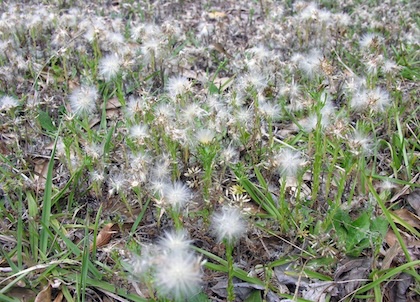
by Bryan Smith, Clemson Extension Service
The Laurens Extension Office has been receiving calls about burweed this spring. Burweed (also called Lawn Spurweed) is a broadleaf winter annual weed that produces spiny seeds. Homeowners find them when they walk across the lawn and step on these seeds, which can be painful. Many residents think these are sandspurs, but while we can have sandspur in Laurens County, sandspur is a grassy weed and looks completely different.
The bad news is that it is the wrong time of year to control burweed. The plant has grown and the seed has set in place, so now the plant will naturally die with the onset of summer heat. Spraying now will literally do nothing to control this weed. The good news is that you can control burweed, but you must spray the weed in the December/January/February time frame before the seed is set. Lawn herbicides containing the chemicals 2,4-D, dicamba, and MCPP (often called three-way herbicides) will work well on this aggravating weed. Plan to spray the area two or three years in a row to address any plants that may not sprout from seed the first year you spray. Clemson has a factsheet on burweed at https://hgic.clemson.edu/factsheet/lawn-burweed/ .
Another bothersome weed found in lawns this month is Annual Trampweed. This weed does not produce spiny seeds, but does produce a white, fluffy, raggedy seed head – hence the name. This weed is also a winter annual and has already set its seed for the year. Plan to spray to control Annual Trampweed once in November and then once more in February – two applications are required to control this weed. Clemson also has a factsheet on this weed at https://hgic.clemson.edu/factsheet/annual-trampweed/ .
Both of these weeds are troublesome, but resist the urge to spray them now. Trying to control them now is a waste of time and money. Mark the spray dates listed above on your calendar and address them next winter.
Photo: Annual trampweed (Facelis retusa). Joey Williamson, ©2008 HGIC, Clemson University