Why It’s Called the Golden Strip: The Story Behind the Name—and the Region It Represents
April 27, 2026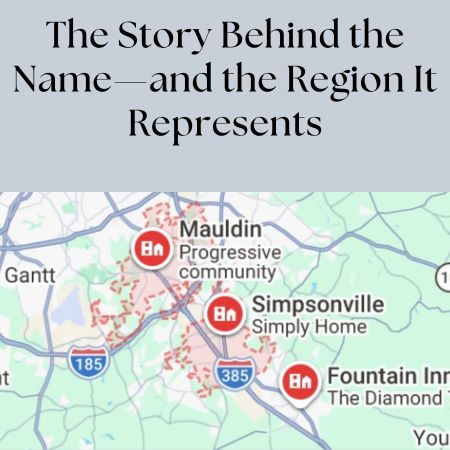
The name Golden Strip is everywhere now—used in business, media, and everyday conversation across the Upstate. But where did it come from, and why has it endured?
The answer lies in a combination of history, infrastructure, and steady growth—a story that begins long before the name itself.
A region rooted in industry and community
The Golden Strip—made up of Simpsonville, Mauldin, and Fountain Inn—was shaped in its early years by textile mills, rail access, and agriculture.
In the early 20th century, mills provided steady jobs and helped establish the small downtowns that still anchor these communities today. Rail lines connected the area to broader markets, and generations of families built their lives around these industries.
A turning point: water, roads, and opportunity
The trajectory of the region changed dramatically in the 1950s.
As public water lines were extended into these communities—alongside improvements to major roadways—new opportunities for growth began to take shape. Access to reliable water opened the door for residential development, business expansion, and industrial recruitment in ways that had not been possible before.
At the time, that access to water was viewed as transformative—so valuable that it was often described as being “like gold.”
That perception would give rise to a name.
The origin of the “Golden Strip”
The term Golden Strip is widely believed to trace back to this period of expansion, when the extension of water infrastructure connected Mauldin, Simpsonville, and Fountain Inn and set the stage for long-term growth.
The “strip” reflects the geographic alignment of the communities along key corridors leading out of Greenville, while “golden” speaks to the opportunity and prosperity that began to define the area.
Rather than being formally coined, the name gained traction over time—used by residents, businesses, and local leaders to describe a corridor that consistently delivered on its promise.
From mill towns to a thriving corridor
In the decades that followed, the Golden Strip continued to evolve.
Even as the textile industry declined across the South, this region adapted—benefiting from its location, infrastructure, and growing population. The expansion of major routes like Interstate 385 further strengthened the connection between these communities and the broader Upstate economy.
What emerged was a corridor defined not by a single industry, but by diversification, accessibility, and sustained growth.
More than a name—it’s an identity
Today, the Golden Strip represents more than geography. It reflects a shared identity built on both history and forward momentum.
Each city contributes something distinct:
- Simpsonville’s vibrant and active downtown
- Mauldin’s continued growth and redevelopment
- Fountain Inn’s blend of historic charm and new investment
Together, they form one of the most dynamic and desirable areas in the Upstate—where small-town character meets regional opportunity.
Why the name still fits
Decades after it first came into use, Golden Strip remains a fitting description—not because of a formal designation, but because of what the region continues to represent.
Growth. Opportunity. Community.
For Golden Strip News, the name reflects the stories unfolding every day across this corridor—stories rooted in a past that built the foundation, and a future that continues to shine.