Women’s Health Week: SC Health Officials Remind Women That Prevention Starts With a Checkup
May 12, 2026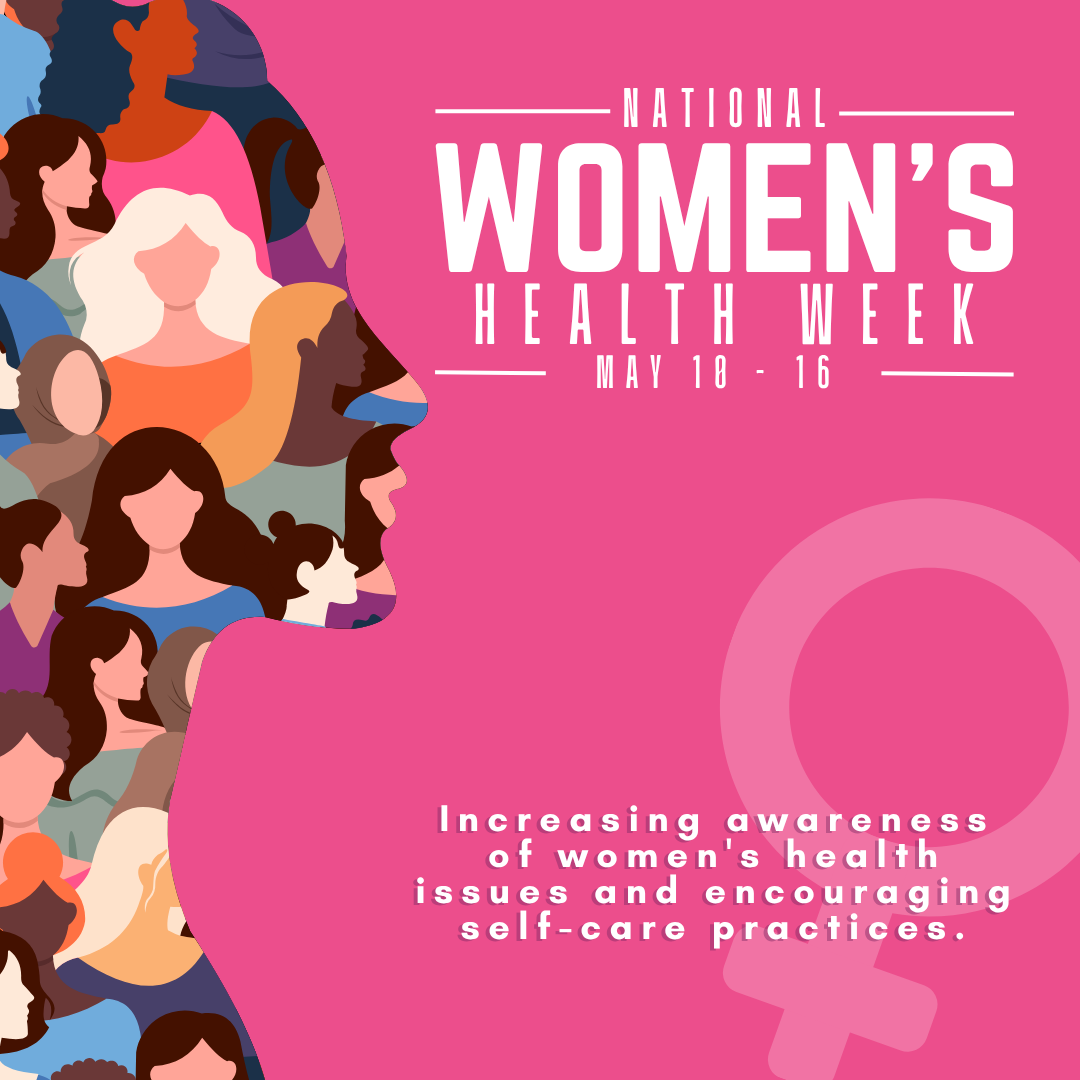
The South Carolina Department of Public Health (DPH) encourages women across the state to commit to healthy habits and practices that will help them lead a longer, healthier life during National Women’s Health Week (May 10–16).
Each year, National Women’s Health Week kicks off on Mother’s Day to highlight women’s health issues and to encourage women of all ages to prioritize their physical, mental and emotional well-being.
“Taking time to get screened, stay active and listen to our bodies helps prevent illness and promotes long-term wellness, and Women’s Health Week is a great time to commit to taking those steps toward a healthier life,” said Dr. Brannon Traxler, DPH Deputy Director of Health Promotion and Services & Chief Medical Officer.
In 2023, heart disease was the leading cause of death for women in South Carolina, according to the most recent data available. Additionally, heart disease accounted for 25,830 hospitalizations for South Carolina women in 2023.
DPH encourages women to take the following steps to avoid heart-related problems:
- Maintain normal blood pressure,
- Uphold a healthy diet, and
- Find enjoyable ways to remain active.
Cancer was the state’s second-leading cause of death for women in 2023.
Each year, an average of 14,824 new invasive cancers are diagnosed among women in South Carolina, with breast, lung, colorectal, uterine and skin cancer being the five most-common cancers diagnosed in women in the state. On average, 5,053 women die from cancer every year in South Carolina.
“Fortunately, in the past 28 years, deaths from cancer have shown an encouraging decline in women in South Carolina,” said Selena Lowery, DPH’s director of Breast and Cervical Cancer Prevention. “Early detection for screenable cancers such as breast, cervical, oral and colorectal cancer and treatment are crucial for limiting the burden of cancer in women.”
Monthly breast self-exams are vital because you become familiar with what your breast looks and feels like. This will help you detect and identify changes quickly. DPH encourages women to start having discussions with their healthcare team about mammograms at age 40. However, those who are at high risk of breast cancer should begin those conversations earlier.
DPH’s Best Chance Network (BCN) is a statewide program designed to increase access to breast and cervical cancer screening services for qualifying women who would not otherwise have access to these lifesaving services. BCN works with medical providers in all 46 counties to ensure that eligible women can get appointments for their breast and cervical cancer screenings.
To screen for cervical cancer, medical providers perform what is called a Pap test to look for pre-cancerous or cancerous cells on the cervix. BCN follows guidelines that encourage women to begin getting routine Pap tests starting at age 21.
Colorectal cancer is another common cancer in women can be screened for by several different screening tools, with colonoscopy being the gold standard. A colonoscopy not only looks for and detects cancer but also identifies and removes pre-cancerous polyps, preventing colorectal cancer from developing from the polyp. Colorectal cancer screening is recommended to begin for most people now at age 45, as these cancers are increasing in younger adults.
While heart disease and cancer are the leading causes of death in women in South Carolina, each person has their own unique health needs.
DPH stresses the importance of scheduling a well-woman visit with your healthcare provider at least once a year. Doing so allows you to discuss family history, family planning and personal habits; schedule necessary tests, such as screenings for sexually transmitted infections, diabetes and cancer; discuss any mental health or substance use concerns; and set health goals, such as being active and maintaining a healthy weight.
Together, you and your healthcare provider can work to decide what services you may need and build a personal care plan for you.
For more resources and information to enhance your health, visit DPH’s Health & Wellness webpage. For mental health resources available in South Carolina, visit the Department of Behavioral Health and Developmental Disabilities Office of Mental Health website.