Digital Balance in the Classroom: Greenville County Schools Implements New Device and AI Limits
June 17, 2026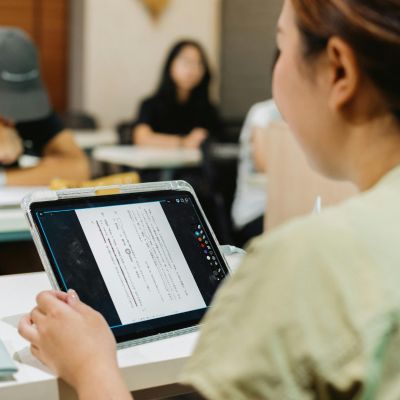
South Carolina’s largest school district is taking definitive steps to curb classroom screen time and establish strict guardrails around artificial intelligence ahead of the upcoming academic year.
Greenville County Schools recently introduced a new administrative policy designed to foster a more balanced, interactive learning environment across all grade levels. The mandate aligns classroom practices with recommendations from the American Academy of Pediatrics, emphasizing face-to-face instruction over constant digital engagement.
Age-Appropriate Device Guidelines
The newly established rules draw a clear distinction between grade levels to ensure technology usage matches student developmental stages:
-
Kindergarten through First Grade: Individual screens are being scaled back significantly. Classrooms will be limited to just three to five shared devices designated strictly for small-group literacy activities, required assessments, or specialized student needs.
-
Second through Fifth Grade: Students will retain access to one-on-one devices, but their usage will be restricted to required district assessments and highly vetted educational software.
-
Middle and High School (Grades 6–12): To prevent students from spending entire school days behind screens, the district has mandated that devices can be utilized for no more than half of any given class period, unless the specific course focus is learning about technology itself. Teachers are instructed to prioritize direct instruction, collaborative peer group work, and tech-free assignments.
Cracking Down on Software and AI Access
In tandem with screen time reductions, school administrators have heavily purged the software platforms allowed on student networks. Following a rigorous evaluation of 30 previously utilized educational applications, the district officially discontinued 14 programs due to privacy concerns or insufficient instructional value, reapproving only 14 core tools for the school year.
The district is also drawing a firm line on generative artificial intelligence. Under the new framework, students in kindergarten through fifth grade are completely prohibited from using generative AI tools in the classroom.
For middle and high schoolers, AI access is restricted exclusively to district-approved platforms and remains entirely at the teacher’s discretion. Currently, MagicSchoolAI—a secure, controlled platform first introduced as a resource during the 2025–26 school year—stands as the only authorized generative AI platform for student use.
Preparing for a New School Year
District officials emphasized that the policy changes are not an attack on modern educational tools, but rather an intentional effort to teach digital literacy responsibly.
Detailed execution guidelines have already been distributed to school principals, instructional coaches, and teachers. This gives staff the summer months to adjust lesson plans and prepare classrooms for a more engaging, conversation-driven return to school.