Dirt on the Strip: The Ultimate Upstate Summer Soil Survival Guide
June 1, 2026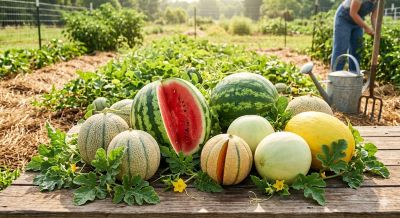
The summer heat has officially turned up here in the Upstate. While we might be tempted to retreat to the air conditioning, our gardens are out there staring down the brutal South Carolina sun. If we want our backyard plots to make it to fall, we have to keep our overalls on and shift our focus to where a great garden begins and ends: the soil.
When the red clay starts to bake and the humidity rises, your soil loses moisture at an alarming rate, stressing your plants and inviting pests. Here is your ultimate summer survival guide to conserve water, beat the heat, and keep your heaviest summer producers thriving.
Water Conservation Secrets: Drink Deep, Not Often
When the thermometer spikes, the instinct is to grab the hose every evening. But shallow, daily watering actually does more harm than good—it encourages roots to stay near the surface, where they quickly fry.
-
The Deep Soak: Water heavily and deeply just 2 to 3 times a week. You want the moisture to penetrate at least 6 inches down, forcing your plants to grow deep, resilient root systems that can handle the midday heat.
-
Timing is Everything: Always water in the early morning (before 8:00 AM if possible). This gives the water time to soak into the roots before the sun evaporates it, and it ensures your plant leaves dry out during the day, preventing fungal diseases.
-
Go Low: Skip the overhead sprinklers. Use drip irrigation or a simple soaker hose buried right at the base of the plants to deliver water directly to the soil without wasting a drop.
The Deep-Mulching Trick: Put a Blanket on Your Beds
If you do only one thing for your garden this month, make it this: mulch deeper than you think you should. Think of mulch as a protective sunscreen and a cooling blanket for your soil. Uncovered South Carolina soil can easily reach temperatures upwards of $100^\circ\text{F}$, killing off the beneficial microbes your plants rely on.
-
The 3-Inch Rule: Lay down a thick, 3-inch layer of organic mulch around your plants, keeping it just an inch away from the actual stems to prevent rot.
-
What to Use: Clean straw (not hay, which contains weed seeds), shredded leaves, or wood chips work beautifully.
-
How it Works: This thick barrier acts as a shield against the sun, reducing soil evaporation by up to 70% and keeping the root zone significantly cooler. As a bonus, it suppresses the aggressive summer weeds that try to steal your plants’ water.
Keeping Squash and Melons Thriving Through the Heatwave
Squash and melons are summer staples, but a June heatwave can push them to their limits. If you’ve noticed your zucchini leaves drooping like wet rags by 2:00 PM, don’t panic—but do take action.
-
The Midday Wilt: Large-leafed plants like squash, watermelon, and cantaloupe naturally wilt in the afternoon to conserve moisture. If they bounce back by the evening when the sun goes down, they are doing just fine. If they are still wilted the next morning, they are desperately thirsty.
-
Calcium Boost for Squash: Blossom end rot (where the bottom of your squash or zucchini turns black and rots) is incredibly common in the summer. It’s caused by a calcium deficiency, but the root cause is almost always inconsistent watering. When the soil dries out completely, the plant can’t absorb calcium. Deep, steady watering is the cure.
-
Support for Melons: Your watermelons and cantaloupes are mostly water, meaning they need heavy hydration to sweeten up. Make sure they are heavily mulched to prevent the fruit from sitting directly on blistering hot soil, which can cause them to scorch or rot before they ripen.
The Bottom Line
Summer gardening in the Upstate is a test of endurance, but a little strategic soil care goes a long way. By locking in moisture with deep mulch and training your roots to dive deep for water, you can keep your garden lush and productive all the way through the dog days of summer.
How are your summer crops holding up so far? What’s your go-to trick for beating the South Carolina heat in the garden?