









Lower Eastern Cherokee Nation to Open New Tribal Forest in Laurens County
June 24, 2026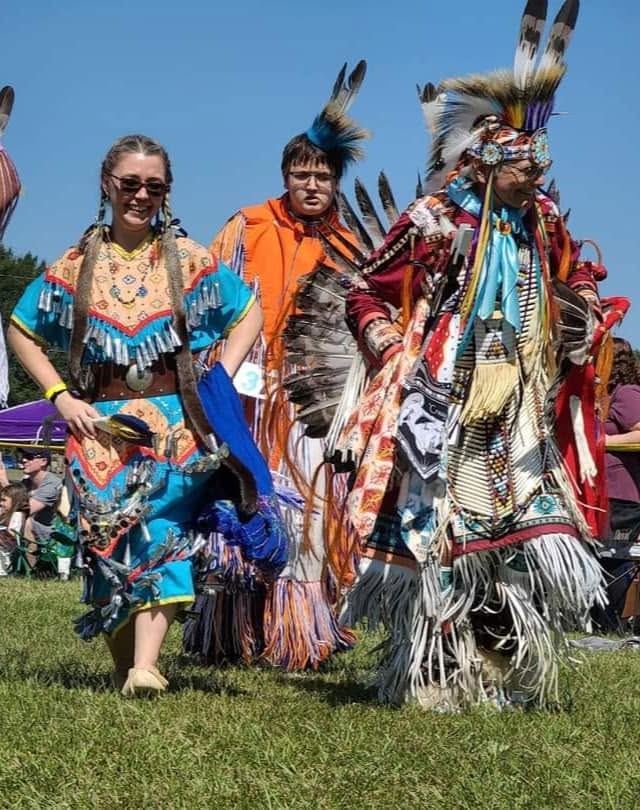
The Lower Eastern Cherokee Nation of South Carolina will hold a ribbon-cutting ceremony Saturday in Gray Court for a new land conservation and cultural heritage project in Laurens County.
The ceremony is scheduled for 11 a.m. Saturday, June 27, at 3988 Warrior Creek Church Road in Gray Court. The program will open with arrival and a welcome at 11 a.m., followed by a press conference, a cultural ceremony and ribbon cutting, and a community gathering with land exploration. The event is scheduled to close at 3 p.m.
Speakers at the ceremony will include Chief Dexter Sharp; Vice Chief Jaime McDowell; Lucia Ibarra, conservation director for the Dogwood Alliance; and the Rev. Leo Woodberry, executive director of New Alpha Community Development Corporation and pastor of Kingdom Living Temple in Florence.
The project, named the Lower Eastern Cherokee Nation Tribal Forest, consists of nearly 23 acres of conserved land and a planned hiking trail of 2 to 3 miles. According to the tribe, the trail will feature storytelling stations about its history and culture, along with replicas of traditional canoes, baskets, tools, housing materials and jewelry.
The Justice Conservation Fund provided the funding for the project. The fund is a multimillion-dollar philanthropic initiative created and led by the Dogwood Alliance and the New Alpha Community Development Corporation. Organizers said the Tribal Forest is the first project the fund has supported, with additional projects planned for later this year and early next year.
The project is designed to help the tribe reclaim its land and draw visitors who want to learn about the Cherokee tribe’s connection to and care for the land, organizers said. They added that, without the project, the property would be at risk of logging because it sits within the sourcing area of the wood-pellet biomass company Enviva.
According to organizers, the Justice Conservation Fund aims to create community- and tribal-owned forests across the South that can serve as hubs for conservation, ecotourism and outdoor recreation. The effort is intended as a sustainable alternative to commercial logging and the wood-pellet biomass industry.
“The opportunity to own and protect this land represents an exciting new chapter in our tribe’s history,” said Sharp. “It’s in our blood to be responsible stewards of the Earth. In the years to come, our tribal forest will not only be a popular hiking experience, but a showcase of our rich history and cultural practices.”
Sharp said he envisions tribal members of all ages leading hikes, preparing food and souvenirs, and giving presentations about the tribe’s way of life. He described his vision as a local economy that reflects the tribe’s values and respect for the land.
Before launching the Justice Conservation Fund, the Dogwood Alliance and New Alpha CDC raised funding for two similar projects in South Carolina, Freedom Land in Brittons Neck and the Pee Dee Indian Tribe Community Conservation Project.