Record-Breaking Crowds Expected to Hit the Road for Historic 4th of July Week
June 24, 2026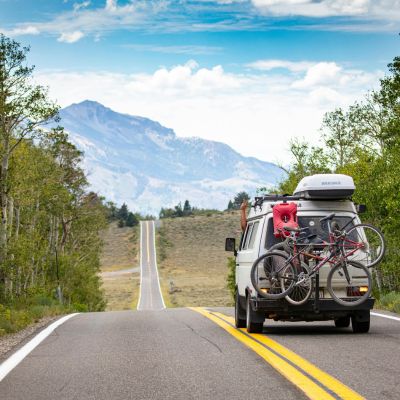
Despite facing higher costs at the pump, a record number of Americans are packing their bags and hitting the road to celebrate Independence Day and the nation’s milestone 250th anniversary.
An unprecedented 72.2 million Americans are projected to travel at least 50 miles from home during the extended nine-day holiday period stretching from Saturday, June 27 through Sunday, July 5. The staggering volume represents a modest but record-setting half-percent increase over last year’s previous highs, proving that the tradition of holiday getaways remains resilient even amid cooling economic growth.
The Great American Road Trip Prevails
As has historically been the case, the vast majority of holiday travelers are choosing to drive to their seasonal destinations. Roughly 61.4 million people—nearly 85% of all holiday travelers—will take to the nation’s highways.
This massive surge in road trips comes despite regular unleaded fuel prices reaching four-year highs, hovering at a national average of approximately $4.03 per gallon. Fortunately for local motorists, drivers fueling up across South Carolina will see some relief compared to the national norm, with the statewide average sitting lower at approximately $3.53 per gallon. Even with elevated fuel costs, industry experts note that driving remains a more economical choice for large families when compared to the soaring costs of domestic airfares, which are currently averaging around $830 per ticket.
To offset the financial pressures of modern inflation, travel analysts report that many families are adjusting their strategies by booking vacations closer to home, shortening the duration of their stays, and scaling back on discretionary extras like dining out and purchasing souvenirs.
Peak Congestion and Best Times to Drive
With tens of millions of vehicles sharing the asphalt, transportation data insights providers warn that motorists should prepare for severe traffic delays, particularly around major metropolitan hubs and popular vacation corridors.
-
Busiest Travel Day: Traffic coordinators project that Thursday, July 2, will be the single most congested day on the road, driven heavily by a combination of daily commuters and holiday travelers heading out early.
-
Worst Hours to Travel: Drivers are strongly urged to avoid major highways between 12:00 p.m. and 7:00 p.m. on the days surrounding the holiday, when gridlock is expected to peak.
-
Best Travel Windows: To bypass the heaviest congestion, travel experts recommend hitting the road early in the morning or planning departures on Monday or Tuesday when transit volumes temporarily plateau.
Air Travel and Alternative Transit See Steady Gains
While highways bear the brunt of the holiday volume, airports and alternative transit systems are bracing for their own respective surges. More than 5.8 million travelers are expected to fly domestically over the holiday window.
Concurrently, the travel sector seeing the most robust year-over-year growth is alternative transportation, including buses, trains, and cruise lines. Boosted by an ongoing peak season for cruises, an estimated 4.93 million Americans are utilizing these alternative options—a 5.3% jump from last year.
As the extended holiday week approaches, public safety officials remind all motorists to inspect their vehicles before long trips, minimize behind-the-wheel distractions, and prepare for extended travel times.